Retro Vintage Groovy Pattern Review
As a designer who spends half my life staring at stitch density charts and the other half worrying about whether a client’s logo will pucker on polyester, I don’t just buy embroidery files; I stress-test them. When Retro Vintage Groovy Pattern landed in my inbox, my first thought wasn’t about nostalgia—it was about production viability. Would this hold up on a busy craft fair table? Would it look cheap when stitched onto a cotton tote bag? Or does it have that distinct, high-end handmade quality that commands a higher price point?
This review breaks down how this design actually performs in real-world scenarios, from initial stitching to final customer unboxing.
First Impressions: Mood and Visual Personality
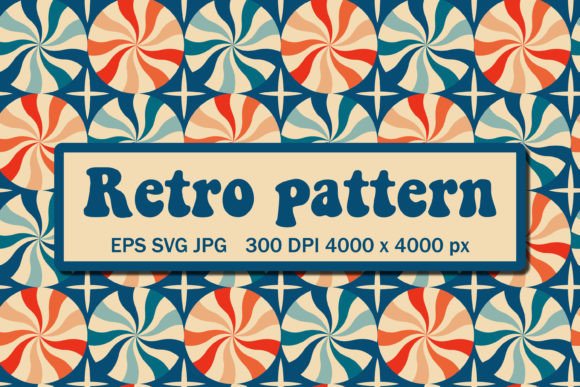
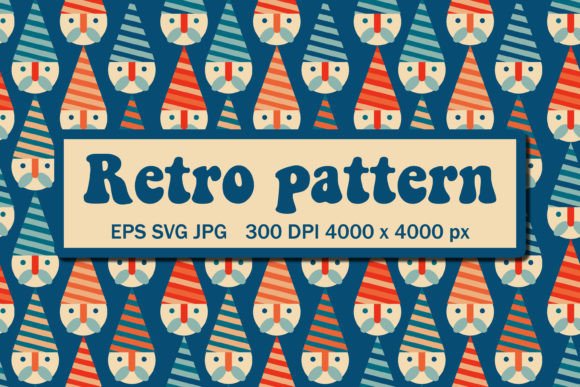
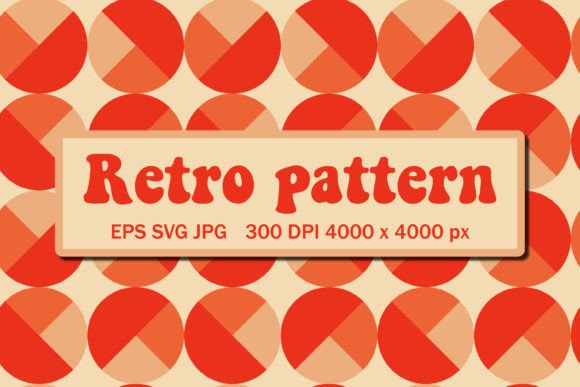
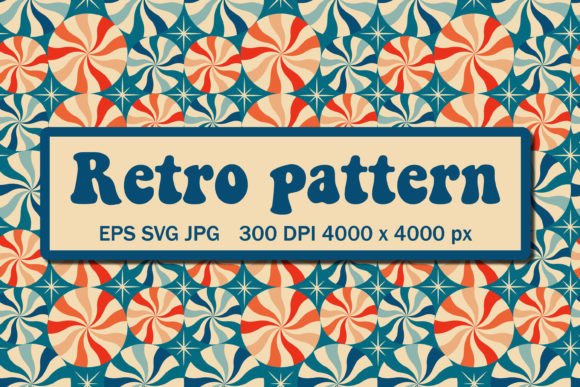
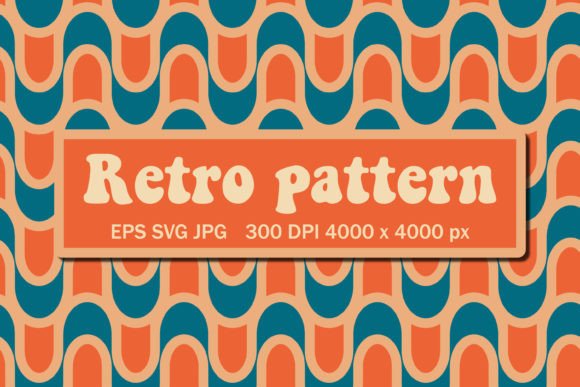
The term "groovy" often gets misused in digital design, resulting in cluttered, chaotic shapes that turn into muddy blobs once digitized. However, Retro Vintage Groovy Pattern strikes a careful balance. The aesthetic leans heavily into mid-century modern influences with a touch of 1970s warmth. It feels organic rather than rigid, which is crucial for embroidery because thread has texture and movement that vector graphics lack.
Visually, the pattern creates an immediate sense of comfort and approachability. It doesn’t scream for attention like neon streetwear designs; instead, it invites the viewer to lean in. For an Etsy seller or a small shop owner, this is gold. It fits seamlessly into the current market trend for "cozy maximalism" and vintage-inspired home goods. The layout suggests versatility—it could work as a central focal point on a sweatshirt or as a repeating motif on kitchen textiles.
Real-World Application: Where This Design Shines
I’ve been thinking through specific use cases for this machine embroidery design, and several stand out as particularly strong matches for its visual weight and style.
- Custom Apparel and Sweatshirts: This is perhaps the strongest candidate. A sweatshirt embroidery featuring this pattern immediately evokes a relaxed, artisanal vibe. Whether used on a crewneck or a zip-up hoodie, the groovy lines complement the soft texture of fleece or heavy cotton blends. It adds personality without looking costume-y.
- Tote Bags and Market Accessories: There is a reason every crafter starts with canvas. A tote bag design utilizing these patterns looks incredibly professional. The contrast between the structured canvas weave and the fluid lines of the embroidery creates a tactile experience that customers love. It elevates a simple bag into a boutique accessory.
- Kitchen and Home Textiles: Think tea towels, aprons, and pillow covers. The retro theme pairs beautifully with farmhouse or eclectic interior styles. An embroidered patch style application on an apron pocket adds a charming, personalized touch that makes for a fantastic gift item.
- Baby and Nursery Items: Soft, rounded groovy shapes are perfect for baby embroidery. On muslin blankets or burp cloths, the design reads as gentle and playful. It avoids the harshness of sharp geometric fonts, making it safer for delicate skin and visually soothing for parents.
Technical Performance and Stitch Clarity
When evaluating an embroidery file, I always ask: Does it stitch cleanly? While the product description lists formats like SVG and EPS (which are primarily for cutting machines like Cricut), the visual complexity implies it can be adapted or traced for embroidery. If you are using this as a basis for a digital embroidery file or converting it via software, pay close attention to the following:
- Stitch Density: Groovy patterns often involve large fill areas. Ensure your digitizing software converts these into efficient fill stitches to prevent fabric distortion. If the density is too high, the fabric will pucker; if too low, the base material will show through.
- Detail Resolution: Check the smaller curves. In applique design applications, thin lines can get lost. In direct embroidery, tiny details might require a finer needle or tighter tension settings.
- Hoop Size Constraints: Always confirm the hoop size limits of your machine. Large, sweeping groovy lines require a spacious hoop to maintain tension. Trying to force a wide design into a small hoop can result in misalignment or skipped stitches.
Where to Exercise Caution
No design is universal, and Retro Vintage Groovy Pattern has specific limitations where it should be used carefully:
- Small Hoop Sizes: Attempting to cram this design into a mini-hoop for something like a baby hat cuff might result in lost detail. Keep it for larger placements.
- Textured or Stretchy Fabrics: Avoid using this on highly textured fabrics like bouclé or very stretchy jersey knits unless you use a heavy-duty stabilizer. The fluid lines may distort on unstable surfaces.
- Dark Fabrics: While possible, dark backgrounds require careful thread colors selection. High-contrast threads (like white or bright yellow) are essential to make the groovy shapes pop. Low-contrast threads will disappear into the fabric.
- Curved Surfaces: Applying this to caps or curved items requires advanced hooping techniques. The perspective shift can warp the symmetry of the pattern if not anchored correctly.
Impact on Product Value and Brand Perception
For the craft business owner, aesthetics directly influence perceived value. A well-executed finished product featuring Retro Vintage Groovy Pattern signals attention to detail. Customers associate clean stitching and thoughtful design placement with quality craftsmanship.
When listing this on platforms like Etsy or your own Shopify store, the visual appeal drives engagement. This pattern lends itself well to lifestyle photography. Imagine a mockup of a linen tote bag with the groovy pattern embroidered in earth tones, sitting next to a coffee cup and fresh flowers. That image sells a feeling, not just a product. It enhances brand consistency for shops focused on bohemian, vintage, or handcrafted aesthetics.
Furthermore, the "retro" aspect taps into a timeless emotional trigger. Nostalgia builds trust. Buyers feel they are purchasing something with character, which reduces buyer hesitation and increases the likelihood of a sale.
Practical Designer Notes for Execution
Before you start producing, follow these steps to ensure success:
- Test on Scrap Fabric: Never go straight to your final product. Stitch the design on scrap pieces of your intended fabric to check for puckering, color bleeding, or tension issues.
- Check Thread Contrast: Lay your thread choices against the fabric. Use a black-and-white filter on your mockup photos to ensure the design remains visible and distinct without color distractions.
- Use Proper Stabilizer: Depending on the fabric weight, you may need cut-away or tear-away stabilizer. For custom apparel like t-shirts, a water-soluble top stabilizer can help keep the satin stitch edges crisp.
- Verify Licensing: Since the source mentions formats for Cricut and EPS, clarify the commercial usage rights. Are you allowed to sell finished items? Can you use this in printable mockups for digital products? Confirm these terms to avoid legal issues.
- Inspect Small Details: Zoom in on the digital preview. Are there any overly intricate corners that might fray or break during washing? Simplify if necessary before digitizing.
Final Verdict
Retro Vintage Groovy Pattern is more than just a decorative graphic; it is a versatile asset for any designer or maker looking to add warmth and personality to their collection. It works exceptionally well for personalized gifts, holiday embroidery projects, and boutique merchandise.
Its strength lies in its balance—retro enough to be trendy, but simple enough to remain elegant. By paying attention to fabric choice, thread contrast, and proper stabilization, you can transform this pattern into a high-value handmade product that stands out in a crowded marketplace. It is a reliable, stylish choice for both hobbyists and serious Etsy sellers alike.