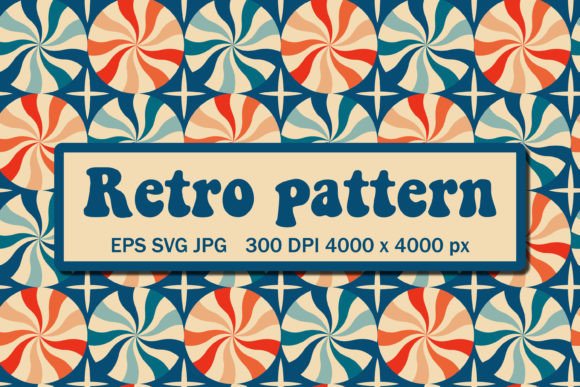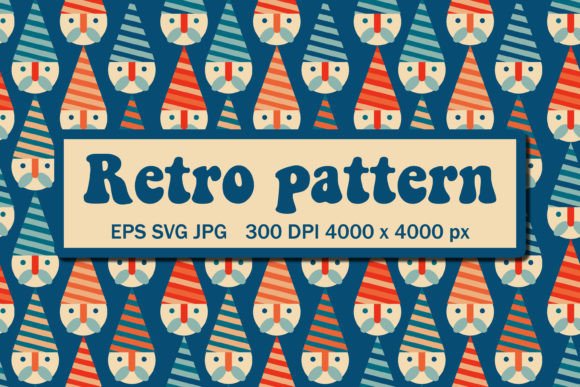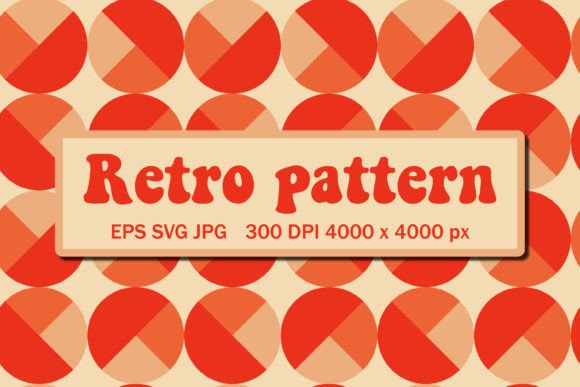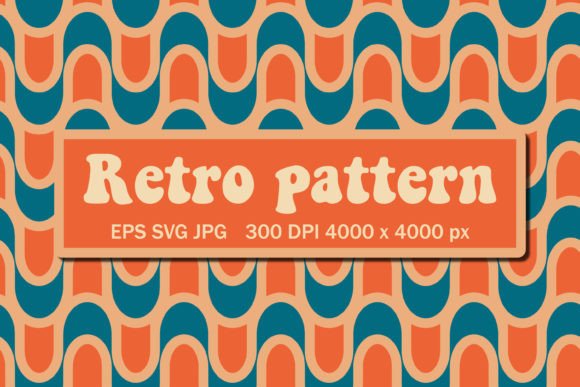
Retro Pattern with Christmas Sweets Review
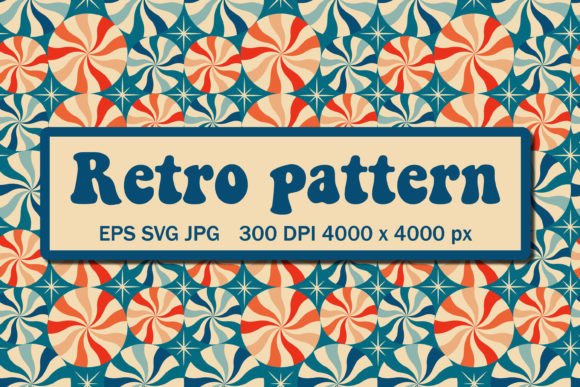
When I first opened the package for Retro Pattern with Christmas Sweets, my immediate reaction wasn't about the file formats or the technical specs. It was about the mood. As a designer who spends hours tweaking stitch density and testing thread colors, I look for designs that evoke a specific feeling before I even touch the hoop. This design hits that sweet spot instantly. The name suggests nostalgia, and the visual personality delivers exactly that: a warm, cozy, vintage aesthetic that feels like stepping into a grandmother's kitchen during the holidays.
I evaluated this embroidery design not just as a digital asset, but as a potential hero piece for a small business owner or an Etsy seller looking to create high-quality handmade products. The prompt asks if it works in real-world scenarios, so let's talk about where Retro Pattern with Christmas Sweets actually shines and where you might need to exercise caution.
First Impressions: A Design Built for Storytelling
The layout of Retro Pattern with Christmas Sweets is balanced without being rigid. In the world of graphics and patterns, it is easy to get lost in clutter, but this design maintains a clear focal point. Whether you are planning to use this for a tote bag design or a holiday gift, the visual weight sits comfortably in the center. It creates an inviting atmosphere that customers respond to immediately. There is no aggressive shouting; instead, it whispers "holiday cheer" through its retro styling.
The detail level is appropriate for machine embroidery. It isn't so sparse that it looks unfinished, nor is it so dense that it risks puckering on lightweight fabrics. For a creative entrepreneur, this balance is crucial. It suggests a finished product that looks professional and expensive, which directly impacts customer trust and brand consistency. When a buyer sees a clean, well-executed embroidery project, they are more likely to value the item higher than a generic print.
Real-World Application: From Concept to Finished Product
Let's imagine a practical scenario. You are preparing inventory for the upcoming season. You have a stack of organic cotton aprons and some sturdy canvas tote bags ready for a craft fair. You decide to apply Retro Pattern with Christmas Sweets to these items. The result? Instantly recognizable holiday merchandise that stands out against the plain background.
On a sweatshirt, this design would work beautifully as a chest pocket accent or a centered back graphic. The retro theme pairs perfectly with vintage-style fonts often used in custom apparel. However, the versatility doesn't stop there. I can easily see this working on baby clothes, where the soft, nostalgic vibe appeals to parents looking for personalized gifts. A onesie featuring Retro Pattern with Christmas Sweets becomes a cherished keepsake rather than just a piece of clothing.
For commercial embroidery projects, such as boutique branding or shop merchandise, the design offers a distinct identity. Unlike generic snowflakes or trees, this pattern has character. It helps a small shop product feel curated and unique. If you are creating printable mockups for your online store, this design adds a layer of authenticity that draws the eye. It transforms a simple item into a story-driven product, which is exactly what modern buyers want.
Navigating Technical Challenges and Fabric Choices
While the design is charming, a professional reviewer must address where it might struggle. Not every surface is suitable for every embroidery file. If you are working with small hoop sizes, you need to be mindful of the spacing within Retro Pattern with Christmas Sweets. While the core elements are robust, cramming them into a tiny area can reduce the impact of the details.
Fabric texture plays a massive role here. On smooth, tightly woven fabrics like poplin or high-count sateen, the stitches will lay flat and crisp. However, on textured fabrics like chunky knits or bouclé, the design might get lost. The contrast between the thread and the fabric weave could obscure the intricate lines of the pattern. Similarly, thin or stretchy fabrics require careful handling. Without proper stabilizer, the tension from the satin stitch or fill stitch sections could cause distortion, ruining the retro aesthetic you worked hard to achieve.
Dense stitch areas are another consideration. If the design includes heavy fill sections, you must ensure your machine settings match the fabric type. On dark fabric, thread color selection becomes critical. You cannot simply use standard white thread and expect the design to pop. You need to select contrasting colors that maintain the visibility of the running stitch details and the depth of the applique design elements if applicable.
Practical Designer Notes for Success
Before you commit to a full production run, there are essential steps to take. First, always test the design on scrap fabric. This is non-negotiable for any embroidery designer aiming for perfection. Check the stitch density to ensure it isn't too tight, which can cause the fabric to pucker, or too loose, which leaves gaps in the pattern.
Review the thread colors carefully. Since this is a retro pattern, the color palette should reflect that era. Don't be afraid to experiment with muted tones or classic candy colors to enhance the holiday embroidery theme. Inspect small details closely; sometimes, what looks good on a screen can lose definition when stitched. Use black and white mockups to check the contrast and balance of the design before adding color.
If you are using this for commercial embroidery or selling finished items, confirm the licensing terms explicitly. Ensure you have the right to sell products made with Retro Pattern with Christmas Sweets. Also, consider the longevity of the product. Will it withstand frequent washing? Proper stabilization and thread quality are key to ensuring the finished product remains durable and beautiful over time.
Final Thoughts on Visual Appeal and Value
In conclusion, Retro Pattern with Christmas Sweets is more than just a decorative element; it is a strategic tool for designers and sellers. It elevates the perceived value of a handmade product and engages buyers on an emotional level. The design's ability to convey warmth and nostalgia makes it a strong candidate for giftability and seasonal promotions.
However, success depends on execution. By understanding the limitations of fabric types, managing hoop size constraints, and paying attention to thread contrasts, you can turn this digital asset into a standout physical product. Whether you are a hobbyist making a one-off gift or a craft business owner scaling up production, this design offers a solid foundation. Just remember to test thoroughly, respect the materials, and let the retro charm shine through in every stitch.
For those looking to expand their design assets library, Retro Pattern with Christmas Sweets provides a reliable option that balances aesthetics with practicality. It fits seamlessly into the workflow of an experienced maker who values quality and intentionality in every embroidery project.