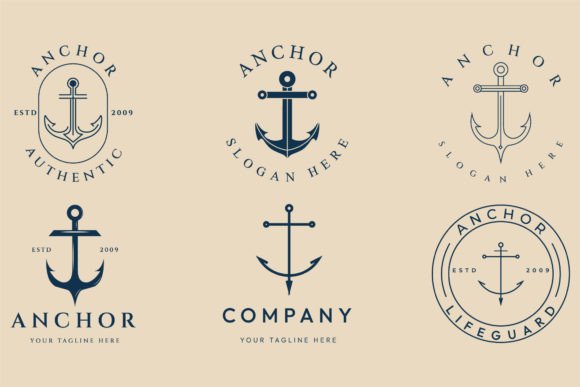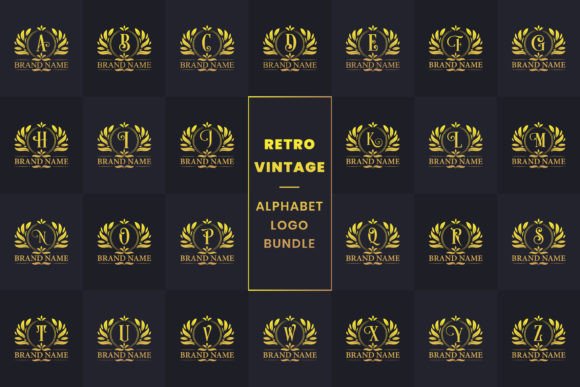
Set of Retro Vintage Anniversary Badges
As a designer who spends half my day staring at digitized files and the other half troubleshooting stitch errors on the machine, I don’t just look at an embroidery file—I interrogate it. When Set of Retro Vintage Anniversary Badges landed in my inbox, my first thought wasn't about the aesthetic alone, but about its viability in a real-world commercial workflow. We are all looking for that sweet spot: a design that looks luxurious in a digital mockup but holds up under the tension of a sewing needle. This collection promises a "Luxurious Golden Anniversary" theme, and after spending some time analyzing the vector structure and visual hierarchy, here is my practical take on whether this Graphics asset belongs in your production queue.
The First Impression: Mood and Market Fit
Retro vintage aesthetics have had a long runway in the handmade market, but they also suffer from oversaturation. The key to selling these items isn't just the style; it's the execution. From a visual standpoint, Set of Retro Vintage Anniversary Badges leans into that classic, timeless feel. The badge shape immediately signals authority and celebration, making it an excellent candidate for milestone gifts. It feels less like a fleeting trend and more like a staple for anniversary seasons—whether that’s the 5th, 10th, or 25th year.
For Etsy sellers and small shop product creators, this design offers a versatile foundation. The "Golden" aspect suggests a premium finish, which translates well to high perceived value. When you see a golden threadwork on a neutral fabric, customers perceive quality. However, as a reviewer, I always ask: does the detail level support this luxury claim? In many low-quality designs, intricate vintage details get lost or become muddy when stitched. Here, the layout appears balanced, allowing the eye to rest on the central motif without being overwhelmed by clutter. This is crucial for custom apparel where readability from a distance matters.
Real-World Application: Where Does This Shine?
I often test designs mentally (and physically) against specific product categories. For Set of Retro Vintage Anniversary Badges, my top recommendation is the custom tote bag. A structured canvas tote provides a stable, flat surface that allows the satin stitch borders to pop without distortion. Imagine a natural-colored canvas bag with a rich gold and deep navy badge embroidered on the front. It screams boutique chic. It works equally well for kitchen towel designs, where the vintage badge adds a touch of warmth to a modern farmhouse kitchen.
Beyond bags and textiles, this machine embroidery design is perfect for personalized gifts. Think about baby onesies for a "First Birthday" celebration or a commemorative sweatshirt for a couple's anniversary trip. The badge format is inherently celebratory, which reduces the need for excessive text. You can keep the design clean and let the graphic do the talking. For craft business owners, this versatility means one purchase can yield multiple revenue streams: apparel, home decor, and accessories.
It also fits seamlessly into the realm of embroidered patch applications. If you sell iron-on patches as standalone accessories, the badge shape is naturally contained, making it easy to add a backing and sell as a ready-to-apply item. This is a growing niche for creative entrepreneurs who want to offer lower-price-point items alongside higher-ticket custom garments.
Technical Considerations and Potential Pitfalls
No design is flawless, and knowing where to exercise caution is what separates a pro from a novice. While Set of Retro Vintage Anniversary Badges has strong visual appeal, there are specific scenarios where it requires careful handling.
- Hoop Size and Detail: Always check the recommended hoop size before starting. If the design includes tiny decorative accents or fine lettering, attempting to fit it into a small hoop (like 4x4 inches) might result in lost detail. Tiny elements can merge together if the stitch density is too high for the space available. Test this on scrap fabric first.
- Fabric Texture: This design relies on contrast to achieve its luxurious look. On heavily textured fabrics like bouclé or thick waffle knits, the definition of the fill stitch areas may be compromised. Stick to smooth cottons, linens, or poly-blends for the best clarity.
- Stretchy Fabrics: Embroidering on stretchy materials like jersey or spandex blends requires extra care. The tension of the stabilizer and the pull of the threads can cause puckering. If you plan to use this on custom apparel made from knit fabrics, ensure you are using a cut-away stabilizer and perhaps a tear-away backup to maintain structural integrity.
- Thread Color Contrast: The "golden" theme implies metallic or bright yellow threads. Metallic threads can be finicky, breaking more easily than standard polyester. Ensure your machine is set up correctly for metallics, and consider testing the thread colors against your chosen fabric background. Dark fabrics will make gold shine, while light fabrics might require a contrasting outline to define the badge shape.
Design Assets and Workflow Integration
One of the strongest aspects of this product is the inclusion of multiple file formats: AI, EPS, SVG, JPG. As a designer, having the vector source files (AI/EPS/SVG) is invaluable. It allows you to scale the design assets without losing quality, which is essential for creating printable mockups for your online store. You can tweak the color palette to match seasonal trends or client requests before exporting the final embroidery file.
For digital product sellers, these vector files open up additional opportunities. You aren't limited to just embroidery; you can use the badge design for screen printing templates, vinyl cutting plots, or even digital stationery. This multi-use capability increases the return on investment for your design library.
Final Verdict: Is It Worth the Stitch?
In conclusion, Set of Retro Vintage Anniversary Badges is a solid addition to any embroidery project library focused on celebrations and personalization. It strikes a good balance between ornate vintage charm and clean, readable design. It is particularly well-suited for commercial embroidery projects where professionalism and brand consistency are key.
However, success depends on preparation. Do not skip the step of inspecting small details and testing stitch density. Confirm licensing terms before selling finished items, and always advise your customers on proper care instructions for embroidered goods. When executed correctly—with the right stabilizer, appropriate thread colors, and on suitable fabric—this design has the potential to create a stunning finished product that customers will cherish. It transforms a simple garment or accessory into a memorable keepsake, which is exactly what drives engagement and repeat business in the handmade market.