Set Anchor Vintage, Line Art Logo, Icon Review
I have spent years reviewing embroidery files for my own shop and for clients who run busy boutiques. I know that a pretty picture on a screen often looks very different once it is stitched onto fabric. Today, I am putting Set Anchor Vintage, Line Art Logo, Icon to the test. This isn't just another digital download; it is a potential cornerstone for your next custom apparel project or small business merchandise line. My goal here is to give you the practical design judgment you need before you commit to stitching this out.
The First Impression: Mood and Visual Personality
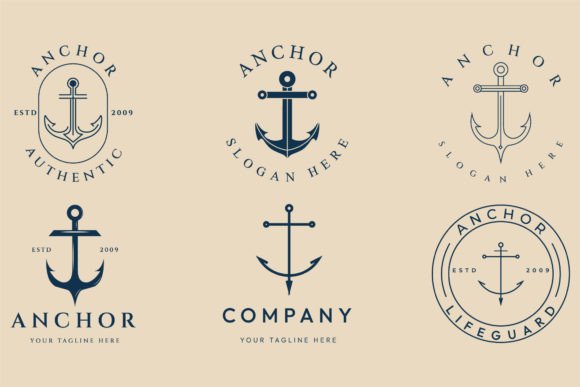
When I first opened the vector file, the immediate feeling was one of nautical nostalgia mixed with modern minimalism. The Set Anchor Vintage, Line Art Logo, Icon design relies heavily on clean lines rather than heavy fill stitches. This is a crucial distinction for an embroidery designer. In a world where many designs scream for attention with dense satin columns, this piece whispers with elegance. It creates a mood that feels timeless, perfect for brands that want to convey reliability, adventure, or a classic coastal lifestyle without looking dated.
The layout is balanced, allowing the eye to travel naturally through the icon. Because it is a line art style, it suggests a high level of sophistication. It does not look like a cheap clip-art image slapped onto a shirt. Instead, it feels like a deliberate brand mark. For a creative entrepreneur or an Etsy seller, this visual personality is gold. It signals to the customer that the maker cares about aesthetics and detail. Whether you are branding a boutique or making personalized gifts, this design carries a weight of professionalism that elevates the perceived value of the finished product.
Real-World Application: From Screen to Stitch
To truly understand how this design performs, I imagined using it for a specific scenario: creating a collection of custom embroidered tote bags and aprons for a local coffee shop. The owner wanted something that felt artisanal but durable enough for daily use. Set Anchor Vintage, Line Art Logo, Icon fits this brief perfectly. On a canvas tote bag, the fine lines would stand out beautifully against a sturdy fabric, creating a subtle yet striking logo that customers would actually want to wear.
I also considered its application on baby items. A soft cotton onesie or a nursery pillow cover could feature this anchor motif as a gentle nod to maritime themes. The line art style ensures that the design remains legible even at smaller scales, which is vital for baby clothes where space is limited. However, when thinking about sweatshirt embroidery, I had to consider the texture of the fleece. The smooth lines of the anchor might get lost slightly in the pile of a heavy knit unless the thread choice is bold and contrasting. For a holiday gift or a wedding favor, such as embroidered patches or kitchen towels, this design shines because it offers a clean, crisp finish that looks great in both monochrome and color.
For commercial embroidery projects, the versatility is impressive. You can use it as a standalone graphic or incorporate it into a larger composition. As a digital embroidery file intended for machine work, it allows for significant customization. Since the source files are vectors, you can adjust the scale to fit a cap brim or a large jacket chest panel. This adaptability makes it a valuable asset for designers who need to create cohesive branding across multiple products, from hats to blankets.
Navigating Challenges: Where to Use Caution
While I am a fan of this design, a responsible reviewer must point out where things can go wrong. Not every fabric plays nice with fine line art. If you attempt to stitch Set Anchor Vintage, Line Art Logo, Icon on a stretchy jersey or a thin, sheer fabric, you risk distortion. The tension required to hold the lines together might pucker delicate materials. Similarly, textured fabrics like bouclé or heavy corduroy can obscure the finer details of the line work, turning a sharp design into a muddy blob.
Hoop size is another critical factor. If you try to fit this design into a very small hoop, the curves of the anchor might become too tight, causing the threads to bunch up. Conversely, if the design is too large for the area you are embroidering, the spacing between lines might become too wide, losing the integrity of the "line art" feel. Dark fabrics present their own set of challenges. While the design works well on light backgrounds, stitching white or light-colored lines on dark fabric requires careful selection of stabilizer and thread to ensure coverage. Without proper underlay, the lines might sink into the fabric, making the design look faint and unfinished.
Another area to watch is curved surfaces like caps. While possible, the transition from flat to curved can stretch the design unevenly. If the cap has a deep curve, the bottom of the anchor might appear wider than the top. For detailed corners or tiny lettering (though this specific design focuses on the icon), the needle might struggle to navigate sharp turns without breaking the thread. Always inspect small details before running a full production batch. If the design includes decorative accents, ensure they are robust enough to withstand frequent washing, especially for items like aprons or workwear that see heavy use.
Designer's Notes for Success
If you decide to move forward with this embroidery file, here is my professional advice to ensure a flawless result. First, always test the design on scrap fabric that matches your final project material. This step is non-negotiable. You need to check thread color contrast to ensure the lines pop against the background. Review the stitch density settings in your software; line art often benefits from a slightly lower density to prevent puckering, but not so low that the lines break apart.
Confirm your hoop size carefully. Make sure the design fits within the maximum dimensions of your embroidery machine's hoop without cutting off any elements. Inspect the small details closely after the test run. Look for any loose threads or gaps in the satin stitch areas. It is also wise to test the design in black and white mockups to see how it translates to grayscale, which helps in understanding its silhouette. Compare how it looks on both light and dark fabric backgrounds to choose the best combination for your target audience.
Use the proper stabilizer for your fabric type. For woven fabrics, a cut-away stabilizer provides long-term stability, while tear-away might suffice for temporary projects. Check whether the design works for both personal and commercial projects by reviewing the licensing terms provided with the download. The description mentions that the text is non-editable, which is important to note if you plan to add custom names or dates around the anchor. Ensure you have the right permissions before selling finished items or digital products derived from this work.
Final Thoughts on Value and Trust
Ultimately, the success of an embroidery project lies in the harmony between the design and the execution. Set Anchor Vintage, Line Art Logo, Icon offers a strong foundation for handmade products, personalized gifts, and custom apparel. Its clean aesthetic builds customer trust and enhances brand consistency. When a buyer sees a well-executed, professional-looking anchor design on a tote bag or a patch, they immediately associate quality with the maker.
For crafters, makers, and small shop owners, this design asset is more than just a graphic; it is a tool for engagement. It allows you to create memorable items that people will keep and use. Whether you are preparing for a craft fair, launching a new Etsy listing, or fulfilling a corporate order, this design brings a touch of vintage charm that resonates with buyers. Just remember to respect the limitations of the medium, test thoroughly, and let the quality of your stitching speak for itself. With the right approach, this line art icon can be the star of your next successful embroidery project.