Merry Vibes: A Designer’s Take on Retro Groovy Embroidery
As a designer who spends more time staring at stitch density charts and fabric swatches than I care to admit, I have developed a certain skepticism toward new digital assets. The market is flooded with graphics that look beautiful on a screen but fall apart under the needle. This is why I approached Merry Vibes with a critical eye. I didn’t just want to see if it looked good; I wanted to know if it would survive the rigors of real-world production for my small business clients and personal craft projects.
This review focuses on the practical application of this retro groovy design. We are looking past the aesthetic appeal to discuss how it translates from a digital file into a tangible, high-quality embroidered product. Whether you are an Etsy seller preparing holiday inventory or a hobbyist making personalized gifts, understanding the nuances of this design is crucial before you hit the start button on your machine.
First Impressions and Visual Personality
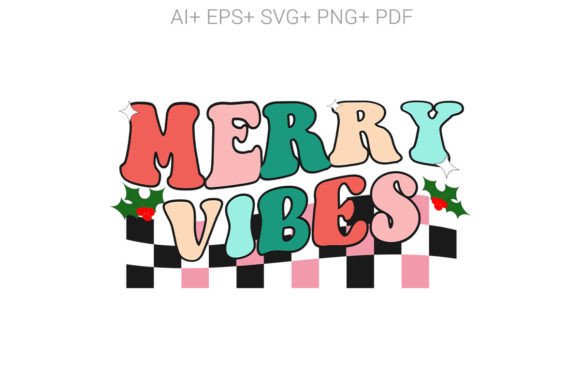
The name Merry Vibes suggests a specific mood, and the design delivers on that promise immediately. It carries a nostalgic, retro energy that feels both playful and polished. For embroidery designers, "retro" can be a tricky genre because overly complex details often get lost in stitching. However, this design seems to strike a balance between bold visual impact and manageable complexity.
When I first loaded the AI and EPS files into my digitizing software, the layout felt cohesive. The shapes are distinct, which is a huge plus for clarity. In the world of machine embroidery design, clean lines are everything. If the vector paths are messy, the resulting satin stitches will wobble or overlap incorrectly. From what I could discern during the initial setup, the core elements of Merry Vibes are structured well enough to handle various stitch types without requiring extensive manual correction.
The visual personality of the piece lends itself naturally to festive occasions, casual wear, and lifestyle branding. It doesn’t scream "corporate event"; rather, it whispers "handmade boutique." This distinction is vital for Etsy sellers and small shop owners who rely on brand consistency to build customer trust. A design like this signals that the maker cares about aesthetics and trend awareness, which can significantly boost buyer engagement.
Real-World Application: Where Merry Vibes Shines
To truly evaluate any embroidery file, you have to imagine it on a finished product. I ran several mental simulations based on common client requests and popular craft fair items.
Apparel and Streetwear
The most obvious use case for Merry Vibes is custom apparel. I envision this design thriving on heavyweight cotton t-shirts or oversized hoodies. The retro theme pairs exceptionally well with streetwear aesthetics. When placed on the chest or back of a sweatshirt, the bold nature of the graphic stands out against the fabric texture. For sweatshirt embroidery, the contrast between the smooth thread and the brushed interior of the garment creates a premium feel. It works equally well as a standalone chest logo or as part of a larger cluster design if you decide to add complementary elements later.
Home Decor and Lifestyle Goods
Beyond clothing, this design has strong potential in the home decor sector. I see it performing beautifully on kitchen towels, aprons, and pillow covers. The "merry" aspect makes it particularly suitable for holiday gifting. Imagine a set of embroidered tea towels featuring this design sold as a personalized gift package. The tactile quality of embroidery adds value that printed designs simply cannot match. Customers perceive embroidered home goods as more durable and luxurious, which allows for higher price points in your craft business.
Accessories and Small Items
For tote bag design enthusiasts, this is a strong contender. Canvas bags provide a stable surface that handles embroidery very well. The design’s versatility means it could work as a central focal point or repeated in a pattern along the straps. Additionally, its scale appears adaptable enough for smaller items like patches or badges. An embroidered patch featuring these vibes could serve as a unique accessory for denim jackets or backpacks, appealing to a younger demographic that values individuality.
Technical Considerations and Potential Pitfalls
No design is perfect for every situation. As a professional reviewer, I must highlight where caution is required when working with Merry Vibes.
- Hoop Size Constraints: While the design looks robust, always verify the maximum dimensions. If you are working with a limited hoop size, such as 4x4 inches, intricate details might become cramped. Test the scaling carefully to ensure the text and key shapes remain legible after stitching.
- Fabric Texture: Embroidery interacts dynamically with fabric. On highly textured materials like bouclé wool or heavy tweed, fine details may disappear. This design likely relies on clear definition, so it is best suited for smoother fabrics like jersey, canvas, fleece, or linen. Avoid using it on stretchy knits unless you are confident in your stabilizer choices, as distortion can ruin the symmetry.
- Stitch Density: Always inspect the stitch density in your software. High-density areas can cause puckering on lightweight garments. If the fill stitch is too dense, consider reducing the coverage or switching to a lighter underlay. Conversely, if the area is too sparse, the fabric may show through, giving a cheap appearance.
- Thread Color Contrast: The success of any embroidery project hinges on color choice. Ensure that your selected thread colors provide sufficient contrast against your base fabric. On dark fabrics, light threads may require additional passes to achieve opacity, which increases run time and potential heat damage to synthetic fibers.
Practical Steps Before Production
Before committing to a large batch of commercial embroidery products, follow these essential steps to protect your reputation and minimize waste.
- Test on Scrap Fabric: Never skip this step. Stitch the design on the exact fabric type you plan to use. This reveals issues with tension, bird nesting, or fabric pull that you won't see in a digital mockup.
- Check Stabilizer Compatibility: Different fabrics require different stabilizers. A cut-away stabilizer is usually necessary for stretchy or permanent-use items, while tear-away might suffice for temporary projects. Choosing the wrong one can lead to misalignment or fabric damage.
- Review Small Details: Zoom in on the smallest elements of the design. Are there tiny curves that might not hold their shape? Are there thin lines that might break? If the design includes text, ensure it is readable at the intended size.
- Verify Licensing: Since this product is categorized under Print Templates and Graphics, it is imperative to read the end-user license agreement (EULA). Some licenses allow for unlimited commercial use of finished physical goods, while others restrict the number of items you can sell. Confirming these terms protects you from legal issues down the line.
Final Verdict
Merry Vibes is a solid addition to any designer’s library, particularly those focusing on lifestyle, apparel, and seasonal products. Its retro charm offers a fresh alternative to standard holiday motifs, and its structural integrity suggests it will stitch cleanly on appropriate fabrics. For digital product sellers offering design assets, this file provides good value due to its versatility across multiple product categories.
However, remember that the file is only half the equation. Your skill in choosing the right stabilizer, thread colors, and fabric texture will determine the final outcome. By testing thoroughly and applying professional judgment, you can transform this digital graphic into a standout finished product that customers love. Whether you are creating a single personalized gift or stocking shelves for your craft business, Merry Vibes offers a reliable foundation for creative success.