Christmas Mama Retro Sublimation: A Designer’s Real-World Review
As a designer who spends more time looking at stitch density charts than actual holiday movies, I approach every new digital asset with a mix of hope and skepticism. The market is flooded with generic clip art, so finding a design that actually translates well from screen to fabric is rare. Recently, I evaluated Christmas Mama Retro Sublimation, a graphic listed under Print Templates and Graphics. My goal was to determine if this visual concept holds up when converted into a tangible, stitched reality for small business owners, Etsy sellers, and serious crafters.
This review isn’t just about how the image looks on a monitor. It is about how it behaves during production, how it feels in the hand of a customer, and whether it justifies the effort required to digitize or prepare it for embroidery. Here is my practical breakdown of using Christmas Mama Retro Sublimation in real-world projects.
The First Impression: Mood and Visual Personality
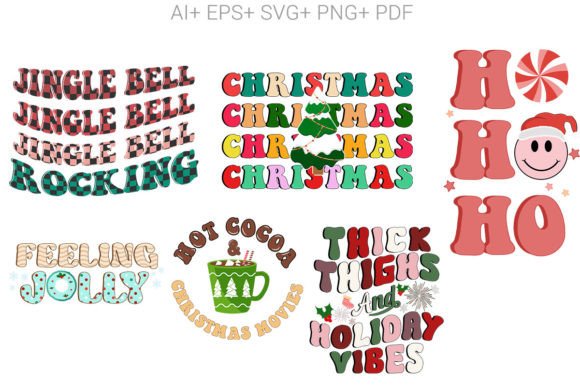
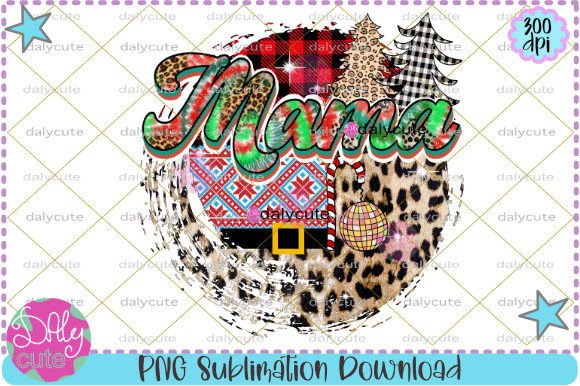
When you first open the file, the immediate takeaway is nostalgia. The "Retro" descriptor isn't just a buzzword here; the color palette and typography suggest a mid-century modern aesthetic mixed with cozy winter vibes. For a designer, this is crucial because it gives the finished product a distinct personality. It doesn’t look like mass-produced factory output. It looks curated.
The layout is balanced, which is exactly what you want when planning placement on apparel or accessories. The central figure—the "Mama"—anchors the composition, allowing surrounding elements to frame her without cluttering the visual field. This clarity is vital for embroidery. Complex backgrounds often get lost in dense stitching, but this design has enough negative space to breathe. It creates a warm, inviting mood that resonates deeply with the target audience of handmade gift buyers. It feels personal, intimate, and celebratory, making it an excellent candidate for personalized gifts and boutique branding.
Real-Life Application: From Screen to Stitch
I put Christmas Mama Retro Sublimation through its paces by imagining it on various substrates. The versatility of this design is one of its strongest assets. Because it falls under the category of graphics intended for sublimation, it is vibrant and detailed, but does it work as a machine embroidery design?
Consider a custom embroidered tote bag. Placing this design on a sturdy canvas tote immediately elevates the item from a simple shopping accessory to a statement piece. The retro colors would pop against natural cotton or bold primary-colored fabrics. For a small shop owner, this is a low-risk, high-reward item. It appeals to teachers, librarians, and moms—demographics that frequently purchase holiday gifts for themselves and others.
Similarly, imagine this design on a heavy-weight sweatshirt or a cozy fleece blanket. The emotional connection of "Christmas Mama" combined with the comfort of the garment creates a strong value proposition. Customers aren't just buying a shirt; they are buying a feeling of holiday tradition. In the context of nursery decor or baby clothes, the softer retro tones can be adapted to create gentle, timeless keepsakes. Whether it ends up as an embroidered patch on a denim jacket or centered on a kitchen towel, the design maintains its integrity.
Apparel and Accessories
- Sweatshirts and T-Shirts: The design scales well on chest placements or larger back prints. It works particularly well for family matching sets during holiday gatherings.
- Caps and Hats: When adapted for a cap, the compact nature of the retro style fits neatly within standard hoop sizes without overwhelming the curved surface.
- Tote Bag Design: As mentioned, the graphic’s bold lines translate beautifully to the flat, stable surface of a tote bag, making it a popular choice for craft fair products.
Where to Use Caution: Technical Limitations
No design is perfect for every application. As an experienced reviewer, I must highlight where Christmas Mama Retro Sublimation might struggle if not handled with care.
First, consider the fabric texture. Embroidery relies on contrast and definition. If you attempt to stitch this onto a highly textured fabric like bouclé wool or a loose-weave burlap, the fine details of the retro illustration may become muddy. The thread will follow the bumps and valleys of the fabric, distorting the clean lines that make the design appealing. Stick to smooth surfaces like cotton twill, jersey, or felt for the best results.
Second, think about hoop size and detail level. While the design is generally clear, some elements may require precise digitizing to ensure they don’t merge together. If you are working with a small hoop size, such as 4x4 inches, you need to ensure that the smallest decorative accents remain distinct. Dense stitch areas can cause puckering, especially on thin or stretchy fabrics like lightweight t-shirts or leggings. In these cases, using a proper stabilizer is non-negotiable to maintain the shape and clarity of the embroidery project.
Additionally, dark fabrics present a challenge. If the original graphic uses light pastel tones, you will need to choose lighter thread colors or add a backing layer to prevent show-through. Always test thread color contrast before committing to a full production run.
Practical Designer Notes for Production
Before you upload Christmas Mama Retro Sublimation to your embroidery machine or send it to a print-on-demand service, follow these essential steps to protect your reputation as a seller.
- Test on Scrap Fabric: Never assume a design will stitch out perfectly. Run a test on the exact same fabric type and weight you plan to use. This helps you identify potential issues with tension or stabilizer choice.
- Check Stitch Density: If you are digitizing this yourself, pay close attention to the stitch density. Too much density can make the fabric stiff and uncomfortable, while too little can leave the fabric visible through the threads. Aim for a balance that ensures durability without sacrificing drape.
- Inspect Small Details: Zoom in on the final mockup. Are the eyes clear? Is the text legible? Small details are often the first thing customers notice, and blurred features can make a handmade product look cheap.
- Confirm Licensing: This is critical for commercial embroidery and digital product sellers. Ensure you have the right to sell finished items made from this design. Some licenses restrict commercial use or require attribution. Check the terms carefully to avoid legal issues.
- Use Proper Stabilizer: Depending on your fabric, you may need cut-away stabilizer for stability or tear-away for temporary support. Using the wrong stabilizer can lead to misalignment or damage to the garment.
Final Verdict: Value and Visual Appeal
Christmas Mama Retro Sublimation is more than just a pretty picture; it is a strategic asset for any creative entrepreneur. Its retro charm taps into current trends while remaining timeless enough for year-round appeal, especially during the holiday season. The design enhances brand consistency by offering a unique, recognizable style that stands out in crowded marketplaces like Etsy.
For the buyer, it offers a sense of professionalism and care. A well-executed embroidered version of this design signals quality, which builds trust and encourages repeat purchases. It is versatile enough for a wide range of products, from personalized gifts to commercial embroidery projects, making it a valuable addition to your design assets.
However, success depends on execution. By respecting the technical limitations of embroidery—such as fabric choice, hoop size, and stitch density—you can transform this digital graphic into a stunning physical product. Take the time to test, refine, and present your work professionally, and you will find that Christmas Mama Retro Sublimation is a reliable partner in creating memorable, high-value handmade goods.
In summary, if you are looking to expand your catalog with designs that evoke warmth, nostalgia, and craftsmanship, this is a strong contender. Just remember: the magic happens in the details, both in the design itself and in how you bring it to life.