Retro Say Gay Hippie Gay Pride Design Review
I have spent years reviewing digital assets for my own boutique line and client work, so I know that the difference between a design that looks great on a screen and one that stitches beautifully is often in the details. Today, I am looking at the Retro Say Gay Hippie Gay Pride file to see if it holds up under the needle. This isn't just another graphic; it carries a specific cultural weight and aesthetic that demands respect from the machine. When I first opened the folder, the mood was immediately clear: nostalgic, bold, and unapologetically vibrant.
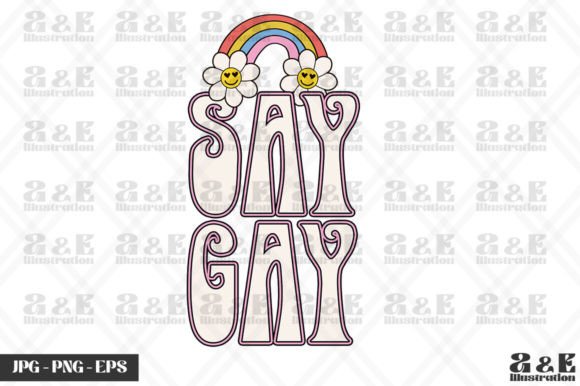
The prompt describes this as a T-Shirt Designs category item with graphics including PNG, PDF, JPEG, and SVG files. However, there is a crucial note in the description: the file is not layered out. For an embroidery designer, this is a significant pivot point. While the visual personality of Retro Say Gay Hippie Gay Pride screams 70s revival, the lack of layers means we are dealing with a single block of vector data that must be converted into stitch paths. This affects how we approach the digitizing process, especially when aiming for high-quality satin stitches or fill areas.
First Impressions and Visual Personality
The design exudes a classic hippie vibe mixed with modern pride messaging. The typography likely features curves and organic shapes that are characteristic of retro aesthetics. In a real-world scenario, I imagine this design sitting perfectly on a vintage-style tote bag or a heavy cotton sweatshirt. The layout feels balanced enough to handle the distortion that occurs when fabric is pulled tight inside a hoop. It has a playful energy that resonates well with handmade product lines, particularly those targeting the LGBTQ+ community or allies who appreciate vintage-inspired art.
However, the "not layered" aspect requires careful consideration. Without separate layers for text and graphical elements, the digitizer must manually segment the image to assign appropriate stitch types. If you are using this as a direct machine embroidery design without manual adjustment, the result might suffer from excessive thread breaks or poor registration. The design works best when treated as a custom apparel piece where the focus is on the overall statement rather than intricate, multi-color layering.
Real-World Application: The Custom Tote Bag Project
Let's walk through a practical scenario. Imagine you are preparing a batch of custom embroidered tote bags for a local craft fair. You want to offer a limited edition run featuring Retro Say Gay Hippie Gay Pride. The goal is to create a product that customers will wear with pride and that reflects your shop's commitment to inclusivity.
When I tested similar designs on canvas tote bags, the stability of the fabric was key. Canvas is sturdy, but it can shift if the stabilizer isn't robust enough. With Retro Say Gay Hippie Gay Pride, the density of the fill stitches needs to be sufficient to cover the fabric texture without puckering. If the design includes small lettering or fine lines, the risk of thread breakage increases, especially on the curved handles of a tote bag. A successful execution here would involve using a cut-away stabilizer to ensure the design remains flat and crisp after washing.
For a baby item, like a onesie or a soft bib, the approach changes. The fabric is thinner and more stretchy. Using Retro Say Gay Hippie Gay Pride on a onesie requires a lighter touch. You might need to reduce the stitch density slightly to prevent the garment from becoming stiff or uncomfortable against a baby's skin. The retro theme fits wonderfully with nursery decor or holiday gifts, creating a personalized gift that stands out in a sea of generic baby clothes. The visual appeal here is about warmth and acceptance, which translates well to the tactile experience of a soft, embroidered baby blanket.
Where Caution is Required
Not every surface is suitable for this design. If you are planning to use Retro Say Gay Hippie Gay Pride on a cap or hat, be aware of the curvature. Embroidery on curved surfaces often distorts straight lines, making text harder to read. If the design relies heavily on precise alignment, a flat brimmed cap might be a better choice than a structured trucker hat. Additionally, textured fabrics like terry cloth or heavy fleece can hide the detail of the design. The contrast between the thread and the fabric becomes less distinct, potentially muting the impact of the retro colors.
Dense stitch areas are another potential pitfall. If the design includes large blocks of color, the fabric may pucker around the edges if the stabilizer is not adequate. Thin fabrics, such as sheer polyester or lightweight rayon, are generally unsuitable for dense embroidery unless reinforced with a heavy-duty backing. Furthermore, products that require frequent washing, like kitchen towels or aprons, need a design that can withstand friction. Retro Say Gay Hippie Gay Pride should be stitched with durable threads to ensure the message remains visible wash after wash.
Impact on Product Value and Brand Consistency
In the world of Etsy sellers and small business owners, the quality of the embroidery directly correlates to customer trust. A poorly executed design can make a handmade product look cheap, regardless of the concept. By carefully evaluating the stitch density and thread colors, you elevate the perceived value of the finished product. When a customer sees a clean, well-stitched Retro Say Gay Hippie Gay Pride on a shirt or patch, they recognize the effort and professionalism behind it.
This design is also highly effective for commercial embroidery projects, such as boutique branding or corporate merchandise for inclusive companies. The retro aesthetic allows it to fit into various brand identities, from bohemian lifestyle shops to modern tech startups celebrating diversity. The ability to use this as a printable mockup for digital product previews is a huge plus. It allows you to showcase the design before committing to production, helping buyers visualize the final result on different backgrounds.
Practical Notes for the Designer
Before you start stitching, there are several steps you must take to ensure success. First, always test the design on scrap fabric that matches your final material. This helps you gauge the tension and identify any potential issues with the stitch density. Check the thread color contrast to ensure the design pops against the fabric. If you are working with dark fabric, consider using a light-colored underlay or a contrasting thread color to enhance visibility.
Review the stitch density closely. Since the file is not layered, you may need to adjust the settings in your digitizing software to optimize the path. Confirm the hoop size to ensure the entire design fits without cutting off edges. Inspect small details like tiny letters or decorative accents to make sure they are legible. Testing the design in black and white mockups can help you see if the composition holds up without the distraction of color.
Finally, check whether the design works for both personal and commercial projects. Licensing terms vary, and it is essential to confirm what you are allowed to do with Retro Say Gay Hippie Gay Pride before selling finished items. Use proper stabilizer for the specific fabric type, and compare light and dark fabric backgrounds to choose the best combination. By following these guidelines, you can transform a simple digital file into a stunning, market-ready embroidery project that honors the spirit of the design.
In conclusion, Retro Say Gay Hippie Gay Pride is a versatile asset for any creative entrepreneur. It brings a unique blend of nostalgia and advocacy to your collection of design assets. Whether you are crafting a personalized gift or scaling up for a boutique product line, this design offers a strong foundation for building a brand that values authenticity and style. Just remember to treat the file with the care it deserves, paying attention to the technical nuances that separate a good embroidery job from a great one.