Powerlifting Retro Design Review
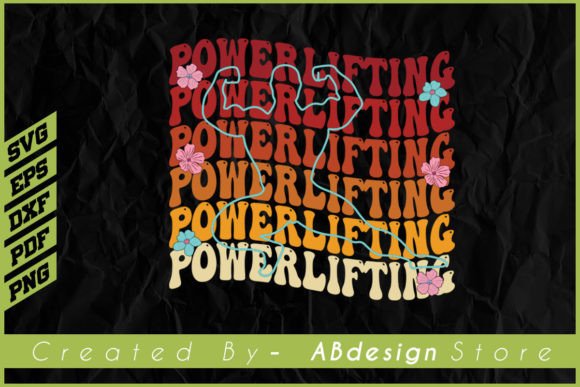
When I first opened the Powerlifting Retro Design, my immediate reaction wasn't about the file formats or the download speed. It was about the vibe. As a designer who spends hours evaluating embroidery files for real-world projects, I look for that specific spark where a digital graphic transforms into a tactile piece of art. This design captures a distinct era of strength and grit, feeling less like a generic gym logo and more like a vintage badge from a classic iron club.
The aesthetic is undeniably nostalgic, leaning heavily into the retro style that has taken over the craft world lately. The lines are bold, the composition feels balanced, and there is an inherent confidence in the layout that screams "ready to stitch." Whether you are a seasoned embroiderer or a small business owner looking to expand your Etsy shop, understanding how this machine embroidery design translates from screen to fabric is crucial. I decided to put it through its paces by planning a custom project: a limited run of heavy-duty canvas tote bags for a local powerlifting team, alongside some embroidered patches for their jackets.
Visual Personality and First Impressions
The Powerlifting Retro Design carries a mood that is both welcoming and tough. It avoids the overly aggressive modern gym aesthetics in favor of something warmer and more approachable. This makes it incredibly versatile. It doesn't just say "lift heavy"; it says "we love the grind." For designers, this nuance is gold. It means the finished product can appeal to serious athletes while still looking great on a casual hoodie worn to the grocery store.
The detail level strikes a nice balance. It isn't so sparse that it looks unfinished, nor is it so dense that it risks becoming a muddy blob of thread. The shapes suggest a strong foundation for fill stitches, which will give the final product a rich texture. When I visualized this on a dark heather gray sweatshirt, the contrast potential jumped out immediately. It feels like a design that belongs in a boutique setting, adding value to handmade products without trying too hard to be trendy.
Real-World Application: From File to Finished Product
To truly test the Powerlifting Retro Design, I had to think beyond the computer screen. Let's talk about that tote bag scenario. Canvas is a forgiving but unforgiving fabric; it can shift if not stabilized correctly, and the weave can hide fine details. If I were using this as a tote bag design, the bold outlines would likely anchor the stitching well against the rough texture of the canvas. The retro curves would soften the industrial feel of the bag, making it a perfect gift for a coach or a proud lifter.
I also considered how this embroidery file would perform on smaller items. Imagine applying it to a fitted cap or a baby onesie. On a cap, the curved surface presents a challenge, but the rounded elements of the design might actually work in its favor, following the natural contour of the hat. However, on a baby item, the scale needs careful consideration. While the theme is powerful, the execution must remain gentle enough for infant apparel. The design's clean lines allow for easy scaling down, provided the hoop size matches the garment dimensions perfectly.
For commercial use, this design fits seamlessly into a craft business workflow. An Etsy seller could easily list this as part of a collection of athletic gear. The retro aesthetic appeals to the current market for vintage-inspired goods, potentially increasing buyer engagement. Customers often trust designs that look professional and cohesive with their brand identity. A consistent application of this digital embroidery file across aprons, kitchen towels, and wall hangings could create a recognizable brand signature for a home-based maker.
Where Caution Is Required
No design is universally perfect, and knowing where to apply caution is what separates a pro from a hobbyist. With the Powerlifting Retro Design, I need to flag a few areas where things could go wrong if not managed carefully. First, consider the stitch density. If the original creator packed the fill stitches too tightly, the fabric could pucker, especially on thin materials like t-shirts or light polyester blends. Thinner fabrics might not support the weight of the thread, leading to a distorted finish that lowers the perceived value of the finished product.
Another critical factor is the background color. While the design works beautifully on dark fabrics, applying it to light or white backgrounds requires a different thread palette strategy. If the design relies on negative space or subtle shading, those details might get lost against a bright backdrop. Additionally, if you plan to use this on a textured fabric like corduroy or a thick fleece, the needle might struggle to penetrate evenly, causing skipped stitches. In these cases, a high-quality stabilizer is non-negotiable.
I also advise being wary of very small hoop sizes. If the design contains tiny lettering or intricate corners, shrinking it down too much for a small patch or a wrist cuff could result in a loss of clarity. The retro style often relies on crisp edges; if those edges blur due to excessive scaling or poor tension, the design loses its character. Always inspect the small details before committing to a full production run.
Practical Designer Notes for Success
If you are ready to bring the Powerlifting Retro Design to life, here is my checklist for ensuring a successful outcome. Start by testing the design on scrap fabric that mimics your final material. This simple step reveals issues with thread tension, stabilizer choice, and stitch density before you waste expensive inventory.
Pay close attention to your thread colors. The retro theme suggests earth tones, muted reds, or classic blacks and whites. Ensure your chosen threads offer enough contrast against the fabric. A common mistake is choosing threads that are too similar in shade, which flattens the image. Also, review the satin stitch areas closely. These are often the most visible parts of any design, and they need to lay flat and smooth. If the satin stitch looks lumpy, check your machine settings and ensure you aren't pushing the stitch density beyond what the fabric can handle.
Don't forget to confirm your licensing terms. Since this is a digital download, verify whether you have the right to sell finished items made with the design. Some licenses restrict commercial use or require attribution. Clarifying this upfront protects your small shop product line from legal headaches. Finally, always test your design in black and white mockups first. This helps you see the true structure and flow of the artwork without the distraction of color, ensuring the design assets are solid before you even load them into your machine.
In conclusion, the Powerlifting Retro Design is a compelling asset for anyone looking to add a touch of vintage strength to their embroidery projects. Its versatility allows it to shine on everything from heavy-duty workwear to delicate personal gifts. By approaching it with the right preparation and technical awareness, you can transform this digital graphic into a high-value, professionally stitched masterpiece that customers will cherish. Whether you are creating a personalized gift for a friend or building a robust catalog of commercial embroidery pieces, this design offers a solid foundation for creativity.
Remember, the best results come from thoughtful execution. Take your time with the setup, respect the fabric, and let the embroidery project unfold naturally. With the Powerlifting Retro Design in your toolkit, you are well-equipped to create standout pieces that honor the spirit of lifting while maintaining the highest standards of craft.