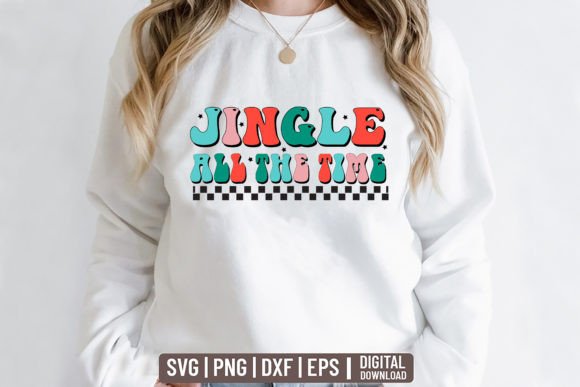
Jingle All the Time - Retro Christmas
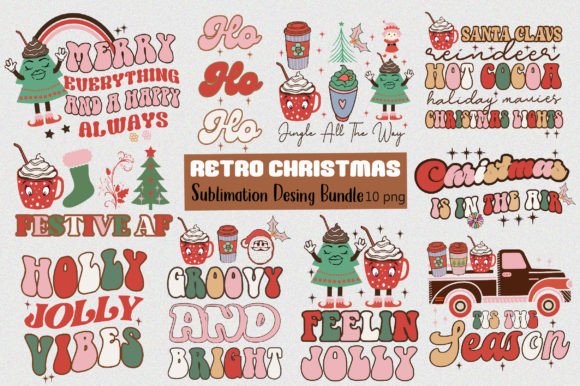
When I first opened the folder for Jingle All the Time - Retro Christmas, my initial reaction wasn't just about the festive theme; it was about the vibe. As a designer who has spent years turning digital files into tangible, stitched products, I know that not every graphic translates well to thread. Some designs look perfect on a screen but fall apart under the needle. This particular piece, however, carries a distinct retro energy that feels ready for real-world application. It isn't just a generic holiday graphic; it has a personality that suggests it belongs on a worn-in sweatshirt or a custom tote bag rather than a sterile corporate banner.
The mood created by this design is nostalgic and warm. The typography and layout suggest a mid-century holiday aesthetic that appeals to modern crafters looking for something with character. For those of us running small shops or selling handmade items on platforms like Etsy, finding a design that balances professionalism with charm is crucial. Jingle All the Time - Retro Christmas hits that sweet spot. It feels like a design you would want to see on a boutique product in a local craft fair, one that makes customers stop and smile before they even touch the fabric.
From Screen to Stitch: A Real-World Test Scenario
To truly evaluate this design, I didn't just look at the preview image; I imagined the process. Let's say I am preparing a batch of personalized gifts for a holiday market. My goal is to create custom embroidered aprons for a local bakery client or perhaps a set of baby onesies for a holiday gift registry. How does Jingle All the Time - Retro Christmas perform in these scenarios?
For an apron, the design offers a fantastic focal point. The retro style pairs beautifully with canvas or heavy cotton blends often used for kitchen linens. If I were to stitch this onto a dark-colored apron using bright white or gold threads, the contrast would pop, creating a high-end look that justifies a higher price point for the finished product. The layout allows for enough negative space around the text, which prevents the embroidery from feeling cramped on the fabric. However, if I were considering this for a baby item, I would need to be mindful of the scale. While the design is charming, placing it on a tiny onesie requires careful planning to ensure the lettering remains legible after washing.
I also considered using this as a machine embroidery design for a patch. The clean lines of the retro font suggest it could hold up well as a sew-on patch for denim jackets or backpacks. The density of the stitches appears balanced, which is vital for durability. A patch that is too dense can become stiff and uncomfortable, while one that is too sparse can look unfinished. Based on the visual cues of the file, this design seems to strike a good balance, making it suitable for commercial embroidery projects where longevity matters.
Navigating Fabric Challenges and Hoop Sizes
Every experienced designer knows that the success of a project often depends on the substrate. Jingle All the Time - Retro Christmas is versatile, but it is not without its challenges. When working with stretchy fabrics like jersey knit for t-shirts, stabilizer becomes your best friend. Without proper support, the tension of the satin stitch can cause the fabric to pucker, ruining the crisp look of the retro typography.
If you are planning to use this design on a curved surface, such as a baseball cap, you will need to pay close attention to the hoop size. Curved surfaces require smaller hoops, which can sometimes distort larger designs. I recommend testing the layout on scrap fabric first to ensure the curve doesn't make the text unreadable. Additionally, textured fabrics like fleece or bouclé can hide fine details. While the bold nature of this design should handle texture well, very intricate corners might get lost in the pile of the fabric.
Dense stitch areas are another consideration. If the design includes significant fill stitching, it may feel stiff on lightweight materials like thin cotton or silk. For these delicate applications, I would advise checking the stitch density settings in your digitizing software. You might need to adjust the underlay or reduce the stitch count slightly to maintain the softness of the garment. Similarly, when working with dark fabrics, the choice of thread colors is critical. Light threads on dark backgrounds require a higher stitch count to ensure full coverage, which can increase the risk of puckering if not managed correctly.
Visual Appeal and Brand Consistency
In the world of handmade products and small business merchandise, visual consistency builds trust. Customers today have a keen eye for quality. A poorly executed embroidery job can signal a lack of care, whereas a well-stitched design elevates the perceived value of the item. Jingle All the Time - Retro Christmas contributes positively to brand consistency because of its timeless aesthetic. It avoids fleeting trends, meaning a product featuring this design could remain relevant for years.
For Etsy sellers and digital product creators, the inclusion of various formats—SVG, PNG, EPS, and DXF—adds significant value. These design assets allow you to create printable mockups that accurately represent the final product. A high-quality mockup can significantly boost buyer engagement by showing exactly how the embroidery file will look on a finished garment. When you present a clear, professional image to potential buyers, it reduces hesitation and increases the likelihood of a sale.
The design also enhances giftability. Holiday gifts are often chosen based on sentimentality and presentation. A tote bag or a pillow cover featuring this retro design feels thoughtful and curated. It transforms a simple commodity into a personalized gift. Whether you are making custom apparel for a family reunion or creating boutique branding for a holiday shop, this design provides a cohesive look that ties different products together.
Practical Notes for the Embroidery Designer
Before you commit to a large production run, there are several technical steps you must take. First, always test the design on scrap fabric that matches your intended project material. This allows you to assess the thread color contrast and inspect small details that might be difficult to see on a screen. Review the stitch density to ensure it isn't too heavy for the fabric weight you are using.
Confirm your hoop size early in the process. If the design is too large for your machine's standard hoop, you may need to re-digitize it or plan for multiple hooping positions, which adds complexity. Inspect the design for any tiny lettering that might be prone to breaking during stitching. If the letters are too thin, they may not catch the thread properly, leading to gaps in the text.
It is also wise to test the design in black and white mockups to check the balance of light and dark elements. This helps you visualize how the design will interact with different fabric colors. Finally, remember to use the proper stabilizer for your specific fabric type. Cut-away stabilizers are generally recommended for woven fabrics, while tear-away works well for stable knits, though this varies by project.
Lastly, verify the licensing terms associated with Jingle All the Time - Retro Christmas. If you intend to sell finished items or digital products, you must confirm whether the license allows for commercial use. Some files are for personal use only, while others permit you to sell unlimited quantities of physical goods. Checking these terms protects your business and ensures you are operating within legal boundaries.
By approaching this design with a critical eye and practical preparation, you can turn Jingle All the Time - Retro Christmas into a standout addition to your portfolio. Whether you are crafting a single personalized gift or building a line of holiday merchandise, this design offers the flexibility and charm needed to succeed in the competitive world of handmade goods.