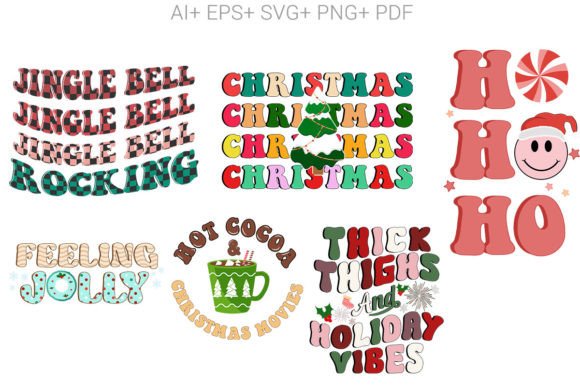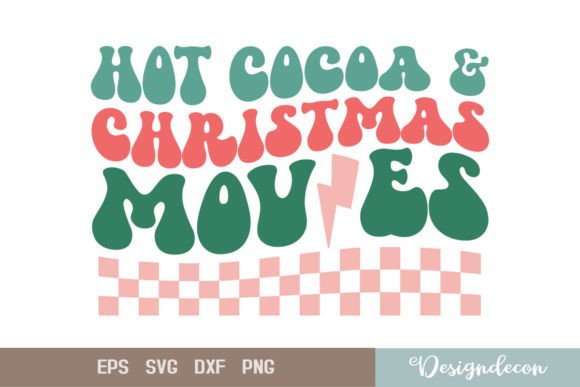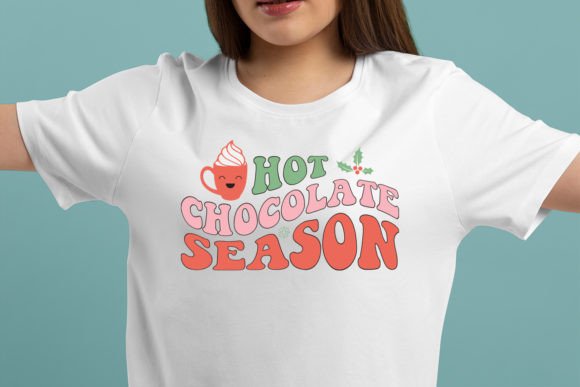
Hot Chocolate Season. Christmas T Shirt
As an embroidery designer who has spent years testing digital assets for both personal craft projects and commercial boutique lines, I approach every new download with a mix of excitement and skepticism. The market is flooded with generic holiday graphics, so finding a design that balances aesthetic warmth with technical feasibility is rare. Recently, I evaluated the Hot Chocolate Season. Christmas T Shirt graphic to see if it holds up under the needle. This review focuses on practical application, visual impact, and whether this asset deserves a spot in your design library for upcoming seasonal collections.
First Impressions and Visual Mood
The moment you open the file, the intent is clear. This is not just a text-based template; it is a mood setter. The phrase "Hot Chocolate Season" evokes immediate sensory associations—warmth, comfort, and the cozy chaos of winter holidays. For a designer, this emotional resonance is half the battle won. It fits naturally into the current trend of nostalgic, lifestyle-oriented holiday merchandise.
From a layout perspective, the typography appears balanced, likely designed to sit comfortably within standard hoop sizes. The visual personality suggests a relaxed, inviting vibe rather than a rigid or overly formal aesthetic. This makes it highly versatile. It does not scream for attention but rather invites the viewer in, which is exactly what you want for a handmade product intended as a personalized gift. The clean vector-style nature of the source Graphics ensures that when converted or traced for embroidery, the edges remain crisp, avoiding the fuzzy look that plagues many low-resolution clipart files.
Real-World Application: Where Does It Shine?
I often test designs by imagining specific end-products before committing to the machine. For the Hot Chocolate Season. Christmas T Shirt design, several applications stand out immediately.
- Custom Apparel: This is the most obvious use case. Whether applied to a heavyweight cotton t-shirt or a soft fleece sweatshirt, the design translates well. On a sweatshirt embroidery project, the contrast between the fabric texture and the thread creates a tactile depth that enhances the cozy theme.
- Kitchen and Home Decor: Imagine this stitched onto a thick linen tea towel or a canvas tote bag design. The font’s legibility works beautifully on these materials. It serves as a perfect holiday embroidery accent for kitchen towels, adding a touch of seasonal cheer without overwhelming the utility of the item.
- Baby and Nursery Items: Soft fabrics like muslin or jersey knit benefit from gentle, readable designs. This graphic would work exceptionally well for baby onesies or nursery wall hangings, where the message is simple and heartwarming.
- Accessories: A small version of this design on an embroidered patch for a denim jacket or a cap adds a subtle nod to the season. However, scaling down requires careful consideration of stitch density, which we will discuss below.
Technical Considerations and Stitch Performance
Transitioning from a digital PNG to a physical stitch-out involves more than just hitting "start." Here is how I analyze the technical viability of this design for your embroidery project.
Stitch Density and Detail Level
The success of any text-heavy design lies in its stitch density. If the fill stitches are too dense, the fabric may pucker, especially on lighter materials. Conversely, if they are too sparse, the underlying fabric shows through, ruining the color vibrancy. For this design, I recommend checking the stitch count carefully. If the lettering relies heavily on satin stitches, ensure the underlay is sufficient to keep the threads flat. Avoid using this design on stretchy knits without a proper stabilizer, as the tension can distort the words, making them wavy and unprofessional.
Fabric Texture and Contrast
Embroidery interacts dynamically with fabric texture. On a smooth cotton twill, the design will appear sharp and clean. On a boucle wool or a heavily textured fleece, fine details might get lost. I advise testing the thread colors against your chosen fabric. Dark fabrics require bright or metallic threads to make the white highlights pop, while light fabrics allow for deeper, richer tones that convey the "hot chocolate" warmth effectively.
Hoop Size Constraints
Always confirm the required hoop size before starting production. If the design exceeds your machine’s standard hoop dimensions, you may need to digitize it into sections or choose a different placement strategy. For small items like caps or baby booties, ensure the design scales down without losing critical details like serifs or curves.
Where to Use Caution
Not every surface is suitable for every design. There are specific scenarios where the Hot Chocolate Season. Christmas T Shirt graphic might struggle:
- Small Hoop Sizes: If you attempt to shrink this design too much, tiny letters may merge together during stitching. Keep a minimum width in mind to preserve readability.
- Textured or Thin Fabrics: On sheer fabrics or highly napped materials, the stability of the stitch may be compromised. Always use a cut-away stabilizer for such delicate materials.
- Dense Stitch Areas: If the original graphic includes intricate decorative elements around the text, ensure these areas do not become too stiff after stitching. Stiff patches on children's clothing or frequently washed items can become uncomfortable.
- Curved Surfaces: While possible, applying this design to curved surfaces like baseball caps requires advanced hooping techniques. The text must follow the curve naturally, or it will look distorted.
Impact on Product Value and Branding
For Etsy sellers and small shop product creators, the perceived value of an item is often tied to the quality of the finish. A poorly executed embroidery job can undermine even the best design concept. However, when executed correctly, this design elevates the finished product. It signals thoughtfulness and care, traits that customers value highly in craft business items.
The versatility of this design allows for consistent branding across multiple product lines. You can use the same motif on tags, packaging inserts, and the products themselves, creating a cohesive look that builds customer trust. Furthermore, because the theme is universal, it appeals to a broad demographic, from young parents to grandparents looking for holiday gifts.
Practical Designer Notes Before You Stitch
Before you commit to a full production run, follow these essential steps:
- Test on Scrap Fabric: Always run a sample stitch-out on the exact fabric type you plan to sell. Check for puckering, thread breakage, and color accuracy.
- Review Stitch Density: Inspect the digitization file for excessive density. Adjust if necessary to prevent bulkiness.
- Check Licensing: Confirm whether the digital embroidery file allows for commercial use. Selling finished items requires explicit permission to avoid legal issues.
- Compare Backgrounds: View the design in black and white mockups to ensure contrast is adequate regardless of thread color choices.
- Inspect Small Details: Zoom in on corners and thin lines. These are the first places to fail during high-speed stitching.
In conclusion, the Hot Chocolate Season. Christmas T Shirt design is a strong contender for your seasonal lineup. It offers the right blend of emotional appeal and structural simplicity to succeed in various custom apparel and home decor categories. By paying attention to fabric choice, stabilizer support, and stitch quality, you can transform this digital asset into a cherished finished product that resonates with customers long after the holidays end.