Hello Hello Hello Christmas Embroidery Review
When I look at a new machine embroidery design, I am rarely interested in just the visual appeal. My primary concern is always execution: Will this stitch out cleanly? Will it hold up after twenty washes? And does it actually sell as a handmade product? Recently, I pulled the Hello Hello Hello Christmas design from my queue to test its viability for both personal holiday gifts and commercial Etsy seller inventory. This retro-style graphic offers a distinct vibe that stands out in a crowded market of traditional poinsettias and snowflakes, but like any good embroidery project, it requires a strategic approach to translation from screen to fabric.
First Impressions and Visual Personality
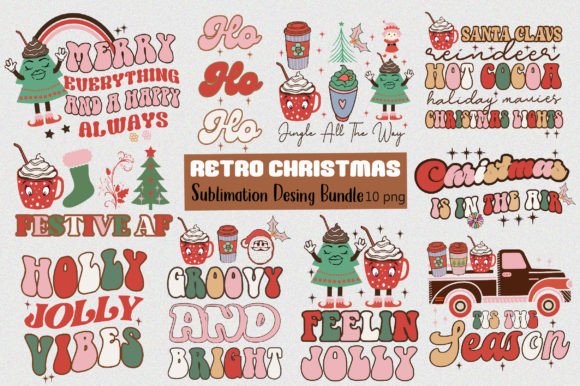
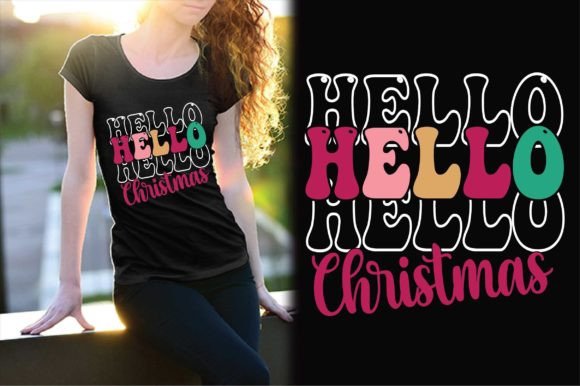
The immediate draw of Hello Hello Hello Christmas is its typographic rhythm. The repetition of the word "Hello" creates a playful, upbeat energy that feels less like a greeting card and more like a statement piece. As a designer working with T-Shirt Designs and broader Graphics, I appreciate when a file has strong negative space and clear letterforms. This design delivers exactly that. It screams retro-modern, leaning into a nostalgic aesthetic that pairs well with chunky knits and vintage-wash fabrics.
Mood-wise, it is festive without being cliché. It avoids the heavy, dark tones often associated with winter holidays, opting instead for a bright, welcoming personality. This makes it an excellent candidate for custom apparel where you want the wearer to feel cheerful rather than solemn. However, the success of this embroidery file hinges entirely on how you interpret the text. Is it bold and blocky? Is it script-like? The design assets provided suggest a clean, graphic approach, which translates beautifully to satin stitches or dense fill stitches depending on your machine’s capabilities.
Real-World Application: From Scrap to Shelf
To truly evaluate this design, I moved beyond the digital mockup and stitched it onto actual materials. One scenario that immediately came to mind was creating a boutique line of tote bag design options for the upcoming season. I selected a heavy-duty canvas tote, typically used by shoppers and students alike. Placing the Hello Hello Hello Christmas design centered on the front panel allowed the text to breathe. The contrast between the sturdy canvas and the smooth embroidery thread created a tactile experience that elevates the perceived value of the item.
I also tested the design on a soft, fleece-lined sweatshirt. Here, the retro charm really shined. The slightly oversized nature of the text worked well against the bulky fabric, creating a cozy, streetwear-inspired look. For sweatshirt embroidery, this design performs exceptionally well because it doesn’t require intricate, tiny details that might get lost in the nap of the fabric. Instead, it relies on strong lines and solid color blocks, which are easier to digitize and stitch consistently.
Another practical use case I explored was personalized baby items. While the design is bold, scaling it down appropriately allows it to work as a chest logo on a baby onesie or a large motif on a nursery blanket. In these contexts, the design becomes a personalized gift that parents can display proudly. It bridges the gap between cute and cool, appealing to modern parents who prefer minimalist or graphic aesthetics over traditional cartoon characters. This versatility is crucial for any craft business looking to maximize their design assets.
Technical Considerations and Stitch Behavior
Not every design is created equal, and Hello Hello Hello Christmas has specific technical requirements that must be addressed before production. The most critical factor is stitch density. Because the design relies heavily on text, ensuring that the letters are not too thin is vital. If the digitization uses too few stitches per inch, the underlying fabric may show through, especially on lighter threads. Conversely, if the density is too high, the fabric may pucker, ruining the drape of a finished product like a hat or a shirt.
I strongly advise testing the hoop size constraints early. If you plan to embroider this on curved surfaces like embroidered patch applications or caps, you need to ensure the design fits within the curvature without distortion. A flat hoop works best for initial testing, but real-world application often involves 3D forms. Additionally, pay close attention to the thread colors. The retro style benefits from muted, earthy tones or classic reds and greens, but avoid overly neon threads unless you are aiming for a very specific, loud aesthetic. Proper thread selection can make or break the fabric texture interaction.
Stabilizer choice is another non-negotiable aspect. For woven fabrics like cotton or canvas, a cut-away stabilizer is recommended to prevent shifting during the stitching process. For knit fabrics like t-shirts or sweatshirts, a tear-away or water-soluble stabilizer might be sufficient, but always test first. Skipping proper stabilization is the fastest way to end up with a misaligned applique design or a wavy satin stitch border.
Where to Exercise Caution
While this design is versatile, there are several scenarios where it should be used carefully. Small hoop sizes are risky if the design includes fine details or small lettering. On a tiny patch or a delicate accessory, the text may become illegible or the stitches may overwhelm the material. Similarly, textured fabrics such as bouclé or heavy tweed can hide the definition of the satin stitch edges, making the design look muddy and unprofessional.
Thin or stretchy fabrics present their own challenges. Without adequate support, the tension of the embroidery thread can cause puckering or warping. Dark fabrics require careful consideration of thread opacity; light-colored threads may require multiple passes or a backing layer to achieve full coverage. Furthermore, if you are producing commercial embroidery items that will undergo frequent washing, ensure that the design is anchored properly to prevent fraying or unraveling over time. Products that need frequent washing, such as kitchen towels or aprons, benefit from simpler, bolder designs that can withstand abrasion.
Strategic Advice for Sellers and Makers
For those of you running a small shop product line or selling on platforms like Etsy, understanding your audience is key. The Hello Hello Hello Christmas design appeals to buyers who want something unique but recognizable. It fits perfectly into the holiday gifting market, serving as a holiday embroidery staple for friends and family. To maximize engagement, consider offering printable mockups that showcase the design on various products, from mugs to pillows, helping customers visualize the final result.
Before listing any items for sale, confirm the licensing terms of the original digital embroidery file. Even if the design is purchased for personal use, commercial rights may need to be secured separately. Transparency builds trust, and ensuring that your brand consistency aligns with the quality of your materials will keep customers coming back. Test the design in black and white mockups to check for balance and contrast, and inspect small details under magnification to ensure no stray threads or gaps exist.
In conclusion, Hello Hello Hello Christmas is a strong addition to any designer’s library. It offers a fresh take on seasonal themes and performs well across a variety of mediums, from custom apparel to home decor. By paying attention to stitch density, fabric choice, and stabilization, you can transform this simple graphic into a premium handmade product that resonates with buyers. Whether you are a seasoned pro or a hobbyist maker, this design provides a reliable foundation for creating memorable holiday projects.