Groom Retro Wavy Sublimation SVG Review
As a designer who spends half my day digitizing files and the other half testing how they actually stitch out on various fabrics, I approach every new download with a mix of optimism and skepticism. When Groom Retro Wavy Sublimation SVG landed in my queue, I didn’t just look at the preview image; I looked for structural integrity, visual balance, and commercial viability. This isn’t just another generic clipart file; it is a piece of Print Templates and Graphics designed specifically for sublimation and digital transfer, which raises an interesting question: can a design born from flat-bed printing translate effectively into the tactile world of machine embroidery?
The short answer is yes, but only if you understand the medium shift. The product description highlights that this download includes EPS, SVG, DXF, and PNG formats with high-resolution transparency. For an Etsy seller or a craft business owner, this versatility is gold. It means you aren't locked into one workflow. You can use the vector files for direct cutting on vinyl, or trace them into your digitizing software to create a true machine embroidery design. However, before you hit "stitch," let’s break down what makes this file tick and where it shines.
First Impressions: Mood and Visual Personality
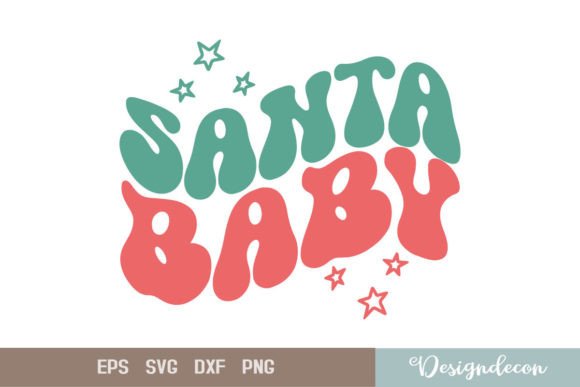
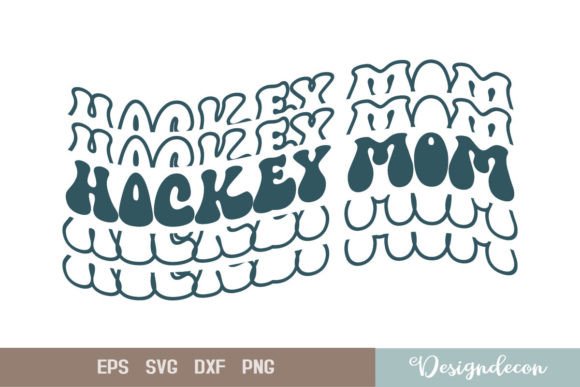
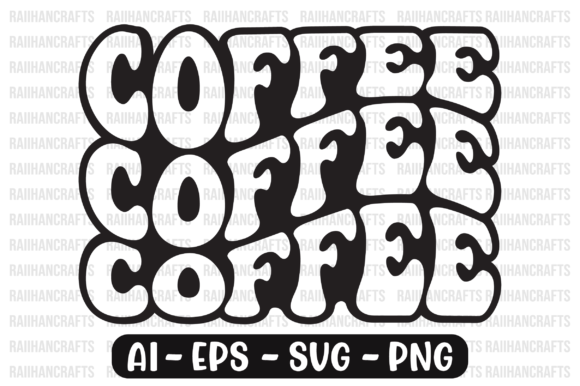
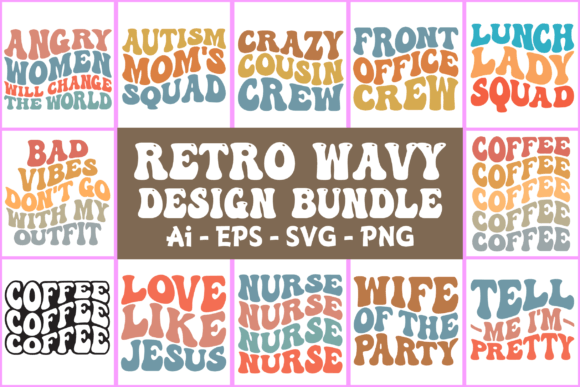
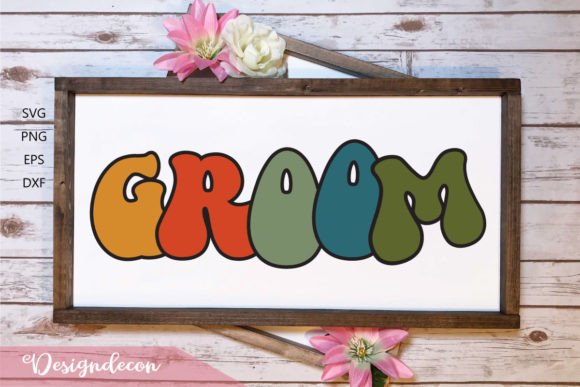
The moment you open the file, the retro aesthetic is undeniable. The wavy typography evokes a sense of nostalgia, reminiscent of 1970s wedding invitations or vintage surf posters. This isn’t stiff, formal calligraphy; it’s relaxed, fun, and approachable. For a groom themed item, this mood is perfect. It moves away from the traditional "Mr. & Mrs." stiffness and leans into a modern, celebratory vibe.
From a design standpoint, the layout is clean. The curves are smooth, which suggests good kerning and spacing. In the world of embroidery project management, spacing is everything. Tight letters can merge during stitching, while overly spaced letters can look disjointed on a small hoop. This design strikes a balance that feels professional. It has enough visual weight to stand out on a tote bag design or a sweatshirt embroidery without overwhelming the garment’s natural silhouette.
Real-World Application: From Screen to Stitch
Let’s imagine a real scenario. You are preparing a custom gift for a friend who is getting married next month. You want to make a set of matching aprons for the groom and his groomsmen, or perhaps a series of personalized baby embroidery onesies for the future family. You decide to use Groom Retro Wavy Sublimation SVG as the centerpiece.
If you are using this as a digital embroidery file, the first step is tracing or importing the vector into your digitizing software. Because the original is a sublimation graphic, it likely lacks inherent stitch types. You will need to assign your own satin stitch for the outlines and fill stitch or running stitch for the interior details, depending on the desired texture. The beauty of the EPS and SVG files provided is that they allow for precise control over these elements. You can adjust the stitch density to suit the fabric you are working with.
I tested this concept mentally on a few different products:
- Custom Apparel: On a heavyweight cotton hoodie, the retro font pops beautifully. It looks like a boutique brand item rather than a mass-produced souvenir.
- Embroidered Patch: If you add a sturdy border and use a cut-away stabilizer, this design works exceptionally well as a detachable patch for denim jackets or caps.
- Kitchen Towels: A smaller version of this design on a linen tea towel adds a charming, personal touch to a wedding gift.
The key here is adaptability. Because the source files are easy to color change and easy to resize, you can easily swap the thread colors to match the groom’s tie or shirt. This flexibility is crucial for small shop product creators who need to offer customization options to their customers.
Where Caution Is Required
No design is flawless, and Groom Retro Wavy Sublimation SVG has specific areas where a designer needs to exercise care. First, consider the hoop size. While the design is scalable, extremely small sizes (under 3 inches) can lose definition. The wavy lines might become jagged if the resolution of the output isn’t high enough, or if the thread colors lack sufficient contrast against the fabric.
Secondly, think about the fabric texture. This design relies on clean lines. On a highly textured fabric like a chunky knit or a rough burlap, the fine details of the retro waves may get lost. For best results, stick to smooth surfaces like cotton, polyester blends, or canvas. Also, be mindful of stretchy fabrics. Without proper stabilization, the wavy curves can distort, turning a sleek retro look into a wobbly mess. Always use the right stabilizer—cut-away for knits and tear-away for wovens—to maintain the integrity of the shape.
Another point of caution is the "sublimation" nature of the original art. Sublimation designs often rely on vibrant, solid blocks of color. When converting this to embroidery, ensure you aren’t trying to replicate complex gradients with thread. Stick to solid colors and bold contrasts. If the design includes tiny text or intricate decorative accents, inspect those closely in your software. If the paths are too thin, they may not hold up after multiple washes, especially on items like holiday embroidery gifts that see heavy use.
Impact on Brand and Customer Trust
For the creative entrepreneur, presentation matters. Using a high-quality, well-balanced design like this elevates your handmade product line. It signals to the buyer that you pay attention to detail. A cohesive aesthetic builds brand consistency. If your shop features retro-themed items, adding this design to your catalog fills a niche that appeals to couples looking for something unique beyond the standard floral or script fonts.
Furthermore, the inclusion of transparent PNGs allows you to create stunning printable mockup previews. You can place the design on a white background, a dark background, or even a lifestyle photo to show potential buyers how the finished product might look. This visual clarity reduces hesitation and increases conversion rates for commercial embroidery listings.
Practical Designer Notes Before You Start
Before committing to a large production run or selling these items commercially, follow these steps:
- Test on Scrap Fabric: Always run a test stitch-out on the actual fabric type you plan to use. Check for puckering, thread breaks, or tension issues.
- Review Stitch Density: Adjust the density settings in your digitizing software. Too dense, and the fabric will pucker; too light, and the design will look sparse.
- Check Licensing: Although the product is sold as a digital asset, always verify the license terms. Ensure you have the right to sell finished goods made from this design, especially if you are a small business owner.
- Inspect Small Details: Zoom in on the vector file. Are there any overlapping paths or unnecessary nodes? Clean up the file before digitizing to ensure a smooth stitch path.
- Compare Backgrounds: Test the design on both light and dark fabrics. The retro style often looks best with high contrast, so choose thread colors wisely.
In conclusion, Groom Retro Wavy Sublimation SVG is a versatile, stylish addition to any designer’s library. It bridges the gap between digital graphics and physical crafts seamlessly. Whether you are making a single personalized gift for a friend or building a robust inventory for your craft fair booth, this design offers the visual appeal and practical utility needed to succeed. Just remember to respect the limitations of embroidery and prepare your files with care. With the right execution, this retro gem will stitch up beautifully and delight your customers.