Freak Sheets: Halloween Retro Wavy Review
As a designer who spends half my life staring at stitch charts and the other half worrying about thread tension, I don’t just buy embroidery files—I vet them. When Freak Sheets, Halloween Retro Wavy T-sh landed in my inbox, I didn’t immediately think "bestseller." I thought "test subject." In the world of T-Shirt Designs and digital Graphics, the line between a clever vector and a stitching nightmare is razor-thin. This review isn’t about the file specs; it’s about what happens when that design meets the needle, the hoop, and the fabric.
The First Impression: Mood and Layout
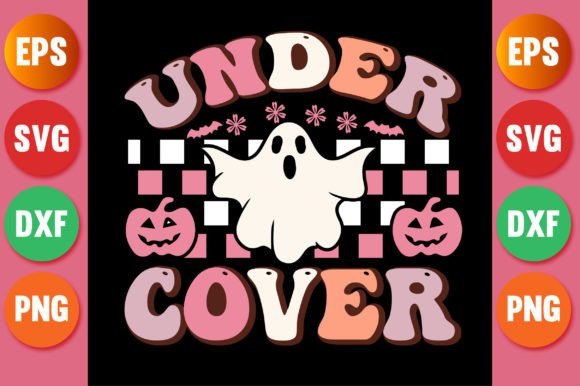
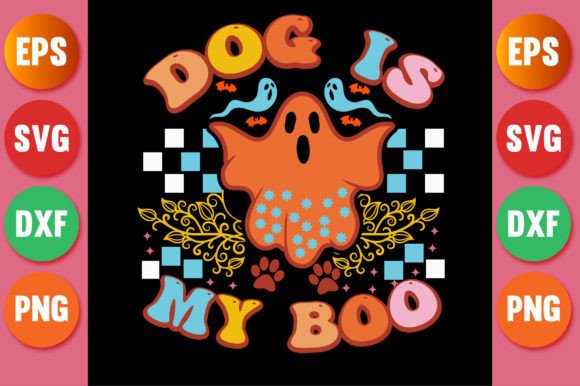
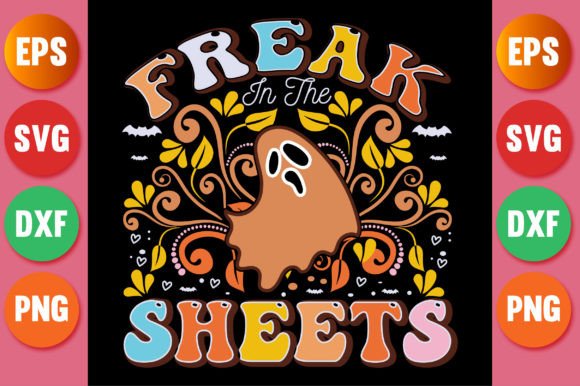
The moment you open the preview, the retro wavy aesthetic jumps out. It taps into that specific 70s-inspired groovy vibe that has been dominating craft fairs and Etsy listings for the past few years. But does it translate to thread? That is the real question.
The layout relies heavily on fluid, undulating lines rather than rigid geometric shapes. For an embroiderer, this is a double-edged sword. On one hand, the curves suggest movement and energy, perfect for a playful Halloween theme. On the other hand, waves can easily distort if the stitch density isn’t balanced correctly or if the stabilizer choice is poor. The visual personality here is casual, fun, and slightly chaotic—which makes it ideal for custom apparel but risky for high-end corporate gifts.
I immediately imagined this not on a stiff canvas tote, but on something with some drape. A slouchy hoodie or a soft cotton tee feels like the natural habitat for Freak Sheets, Halloween Retro Wavy T-sh. It screams comfort and nostalgia, two things customers are willing to pay a premium for during the holiday season.
Real-World Application: Where Does It Fit?
Let’s talk about practical use. I ran this design through my mental workflow for several common embroidery project types. Here is where Freak Sheets, Halloween Retro Wavy T-sh shines:
- Holiday Gifts and Personalized Products: The retro theme is timeless enough for adults but fun enough for teens. Imagine a custom embroidered pillow cover for a college student’s dorm room, or a set of matching kitchen towels for a hostess gift. The wavy lines add a touch of whimsy that standard spooky skeletons lack.
- Craft Business Items: If you are an Etsy seller looking to stock up for Q4, this design offers versatility. It works beautifully as an embroidered patch to be ironed onto denim jackets or backpacks. Patches allow you to isolate the design from the challenges of stitching directly onto difficult fabrics.
- Baby Embroidery: While the name might sound edgy, the retro style is actually quite soft. With the right color palette—think muted oranges, creams, and sage greens instead of neon brights—this could work for nursery decor or baby onesies. However, you must be careful with the interpretation of the imagery to ensure it remains appropriate for infants.
Conversely, there are places where this design should be used carefully. Attempting to stitch the full wavy pattern onto a structured cap or a curved hat brim is asking for trouble. The distortion inherent in curved surfaces will likely break the continuity of the wave, making the design look warped rather than stylish. Similarly, small hoop sizes are not your friend here. If the design requires fine detail within a tiny area, the waves may merge into a muddy blob, losing their graphic integrity.
Technical Considerations for the Designer
Before you hit start on your machine, there are critical technical checks you need to perform. The product description mentions a wide range of editable files, including EPS, SVG, JPG, DXF, and PNG. While having options is great, it also means you need to verify which format translates best to your specific embroidery software.
Stitch Density and Fabric Texture: The wavy nature of Freak Sheets, Halloween Retro Wavy T-sh suggests a mix of satin stitch outlines and perhaps fill stitch interiors. If the fill areas are too dense, the fabric will pucker. If they are too sparse, the backing material might show through. Always test on scrap fabric first. Pay close attention to how the thread colors interact with the fabric texture. A heather grey shirt will eat away at fine details, whereas a solid black background will make light threads pop.
Color Contrast: One of the biggest mistakes designers make is assuming a design looks good in its default color scheme. I strongly advise converting the design to black and white mockups before stitching. This helps you see the true contrast levels. If the waves rely on subtle tonal shifts, they will disappear entirely in thread. You need bold, distinct contrasts to maintain the "retro" feel.
Stabilizer Choice: Because this design features long, continuous lines, it is prone to shifting if not properly supported. A cut-away stabilizer is almost always necessary for commercial embroidery projects that need to withstand frequent washing. Temporary spray adhesives can help hold the design in place during digitizing, but never rely on them for the final product.
Visual Appeal and Customer Trust
Why does this matter? Because in the age of handmade goods, presentation is everything. A well-executed handmade product builds brand consistency and customer trust. If Freak Sheets, Halloween Retro Wavy T-sh stitches cleanly, with no gaps, puckering, or loose threads, it signals professionalism. Buyers assume that if the embroidery is precise, the rest of your business practices are too.
However, if the design fails—say, the wavy lines break due to poor underlay—the perceived value drops instantly. Customers are savvy. They can spot a botched stitch job from a mile away. Therefore, the success of this design hinges on your preparation. Do not rush the setup phase. Inspect small details, check whether the design works for both personal and commercial projects, and confirm licensing before selling finished items or digital products.
Final Verdict
Freak Sheets, Halloween Retro Wavy T-sh is a strong contender for seasonal collections, particularly for small shop product lines targeting teens and young adults. Its retro charm is undeniable, and its flexibility across various apparel decorators mediums—from tote bag design applications to sweatshirt embroidery—makes it a valuable asset in your library.
Just remember: a great digital embroidery file is only half the battle. The other half is your execution. Test thoroughly, choose your materials wisely, and respect the limits of your machine. When done right, this design won’t just look good on a screen; it will feel good in the hands of your customer.