Comic Legs in White Shoes: A Designer's Review
When I first downloaded Comic Legs in White Shoes. Retro Cartoon, my initial reaction was a mix of nostalgia and practical curiosity. As someone who has spent years evaluating embroidery files for both personal projects and client work, I know that the difference between a design that looks great on screen and one that stitches beautifully is often in the details. This illustration captures a specific vibe: playful, retro, and undeniably fun. But does it translate well to thread? Can it survive the rigors of a commercial production run or a delicate baby garment? In this review, I am putting Comic Legs in White Shoes. Retro Cartoon through its paces as if we were about to start a real-world project.
The First Impression: Mood and Visual Personality
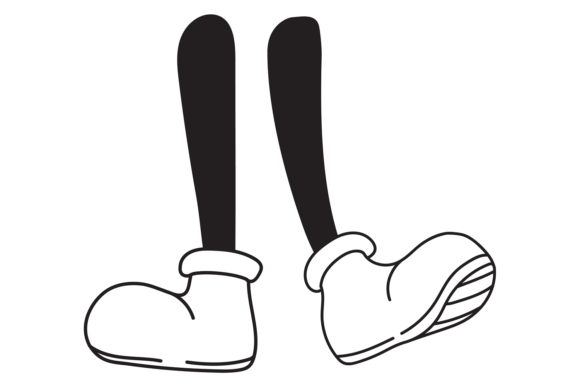
The moment you see the isolated legs in white shoes, you get a sense of movement. It isn't just a static image; it feels like someone mid-stride or perhaps playfully kicking their heels up. The retro cartoon style suggests a 70s or 80s aesthetic, which is currently trending in handmade goods and boutique branding. For an embroidery designer, the appeal lies in the simplicity of the subject matter. By focusing solely on the lower half of the body, the design avoids the complexity of facial features or intricate clothing folds, which can sometimes lead to stitching headaches.
This file belongs naturally in projects that require a touch of whimsy without being overwhelming. It screams "fun," making it perfect for custom apparel aimed at younger demographics or casual wear. The clean lines and bold shapes suggest that this will hold up well against the texture of fabric, provided the stitch density is set correctly. When I imagine this on a finished product, it feels approachable and friendly, exactly the kind of visual that invites customers to smile when they receive a gift.
Real-World Application: From Screen to Stitch
Let's say I am preparing a batch of custom tote bags for a local craft fair. These bags are meant to be sold alongside other artisanal goods, so they need to look professional yet unique. I would pull out Comic Legs in White Shoes. Retro Cartoon to create a focal point on the front pocket of the tote. Because the design is isolated on a white background, it offers excellent flexibility for placement. Whether I center it or offset it slightly to the side, the composition remains balanced.
In this scenario, the design performs exceptionally well because it doesn't rely on tiny text or overly fine details that might get lost in the weave of a canvas bag. The white shoes provide a natural contrast against darker fabrics, allowing the design to pop without needing excessive underlay. However, if I were using this for a sweatshirt embroidery project, I would need to consider the drape of the knit fabric. The retro legs have a slight curve, which works well on flat surfaces but might distort slightly on the curved shoulder area of a hoodie unless stabilized properly.
I also see potential here for personalized gifts. Imagine a nursery wall hanging or a baby onesie where these comic legs are paired with a name stitched above them. The playful nature of the graphic makes it ideal for baby embroidery, creating a sense of joy and innocence. For a holiday gift, placing this design on a kitchen towel or an apron could add a quirky element to a hostess present. The versatility of the file allows it to adapt from a high-end boutique item to a simple hobbyist creation.
Where Caution is Required: Fabric and Surface Limitations
While Comic Legs in White Shoes. Retro Cartoon is versatile, there are specific scenarios where a designer must exercise caution. One of the primary concerns is the use of small hoop sizes. If the design contains any intricate curves or if the user attempts to downscale it significantly, the detail level might suffer. On a very small patch or a hat brim, the white shoes might lose their definition, turning into a solid blob rather than distinct footwear.
Texture is another critical factor. Embroidering this design on a highly textured fabric, such as a chunky chenille or a rough burlap, can obscure the clean lines of the cartoon legs. The threads may not lay flat, causing the image to look muddy. Similarly, thin or stretchy fabrics like jersey knits require careful handling. Without a high-quality stabilizer, the tension of the satin stitches could cause the fabric to pucker, distorting the shape of the legs and ruining the intended retro aesthetic.
Dense stitch areas are also something to watch. If the fill stitch density is too high, the design might become stiff and uncomfortable to wear, especially on items like pillow covers or blankets where softness is key. Furthermore, if the customer plans to wash the item frequently, the edges of the design need to be secure. While the simple shape helps, ensuring the thread colors are colorfast is essential for long-term durability.
Practical Designer Notes for Success
Before committing to a full production run, I always recommend testing the embroidery file on scrap fabric first. This step is non-negotiable for any professional looking to maintain quality standards. You need to verify how the thread colors interact with your specific fabric choice. For instance, if you are using a dark navy fabric, ensure the white shoes stand out clearly and do not blend into the shadows created by the stitching.
Reviewing the stitch density is crucial. Check whether the design uses a mix of satin stitch for outlines and fill stitch for the interior. If the density is too heavy, the machine might skip stitches or break needles. Confirm the hoop size required to accommodate the design without cutting off any parts of the legs. Also, inspect the small details in the shoe laces or the curvature of the feet to ensure they are not too fine for your machine's capabilities.
It is also wise to test the design in black and white mockups. This helps visualize the contrast levels before investing in actual thread and fabric. Compare how the design looks on light versus dark backgrounds to determine if additional underlay or backing is needed. Finally, always check the licensing terms. If you plan to sell finished products featuring Comic Legs in White Shoes. Retro Cartoon on platforms like Etsy, confirm that the license allows for commercial use. Many digital product sellers make the mistake of assuming all graphics are free for resale, which can lead to legal issues.
Final Thoughts on Visual Appeal and Value
The ultimate goal of any embroidery project is to create a finished product that exudes quality and thoughtfulness. Comic Legs in White Shoes. Retro Cartoon succeeds in adding a layer of personality that generic designs lack. It elevates a standard tote bag or t-shirt into a statement piece. For Etsy sellers and small shop owners, this type of graphic asset can be a differentiator in a crowded market, offering customers something they cannot find in big-box stores.
When used correctly, this design enhances brand consistency and builds trust with buyers. It signals that the creator cares about aesthetics and detail. Whether you are creating a single handmade product for a friend or scaling up to a line of commercial embroidery items, this file offers a solid foundation. Just remember to respect the limitations of the medium, choose the right materials, and always prioritize the integrity of the stitch work. With the right approach, these retro legs can take your projects to the next level, bringing a smile to anyone who sees them.